Masjid al-Haram Guide: History, Rituals, Landmarks & Visiting Tips
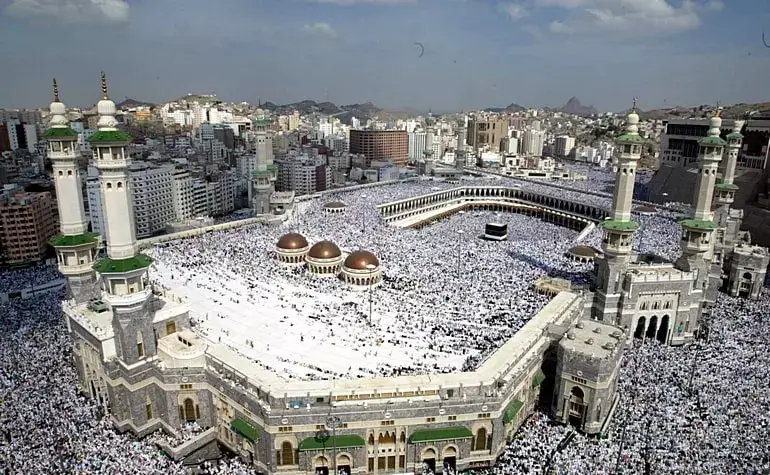
Masjid al-Haram, located in the holy city of Makkah, is the largest and most sacred mosque in Islam. At its center stands the Holy Kaaba, the Qibla toward which Muslims across the world face during every daily prayer. This sacred sanctuary is the focal point of Hajj and Umrah, welcoming millions of pilgrims throughout the year in a space devoted entirely to worship, humility, and remembrance of Allah.
Open 24 hours a day, Masjid al-Haram is not only a place of prayer but a living spiritual environment where Islamic history, ritual practice, and global Muslim unity converge.
What Is Masjid al-Haram and Why It Is Unique?
The Central Role of the Kaaba and Qibla
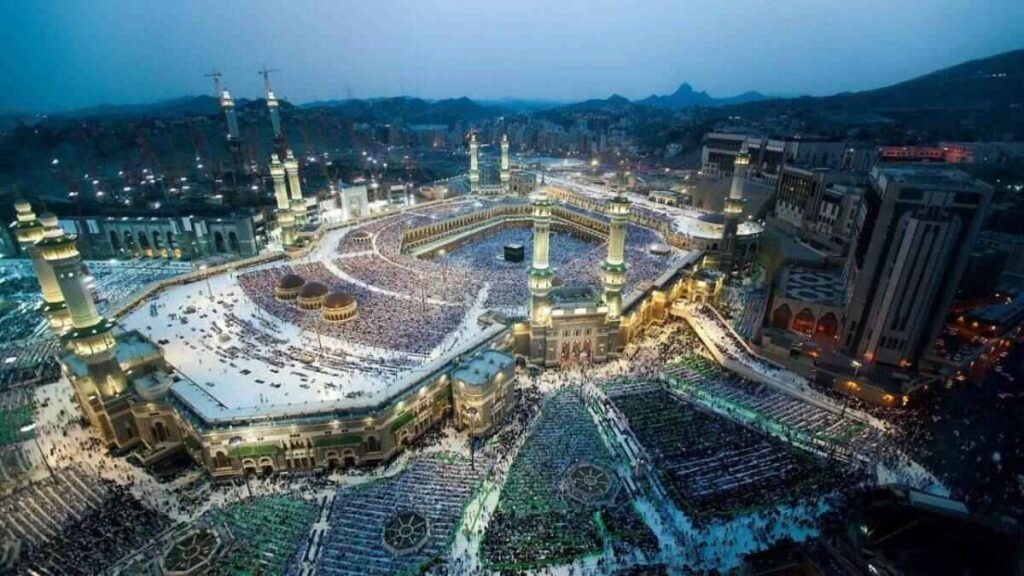
The Kaaba is the most sacred structure in Islam, believed to have been built by Prophet Ibrahim (Abraham) and his son Prophet Ismail (Ishmael). Every act of worship inside Masjid al-Haram is oriented around it, especially Tawaf, the ritual circumambulation performed during Umrah and Hajj.
Spiritual Status and Rewards of Prayer
A single prayer offered in Masjid al-Haram carries a reward equivalent to 100,000 prayers elsewhere, making it the most spiritually significant location for Islamic worship. This unique virtue explains why pilgrims strive to spend as much time as possible praying within its boundaries.
Sacred Landmarks Inside Masjid al-Haram
The Holy Kaaba
The cube-shaped Kaaba stands at the heart of the mosque and symbolizes the oneness of Allah. Surrounding it is the Mataf, the open marble area where Tawaf is performed on multiple levels.
Black Stone (Al-Hajar al-Aswad)
Embedded in the eastern corner of the Kaaba, the Black Stone marks the starting and ending point of Tawaf. Pilgrims may touch or gesture toward it following the Sunnah, without causing harm to others.
Maqam Ibrahim
Located near the Kaaba, Maqam Ibrahim contains the stone bearing the footprint of Prophet Ibrahim. After completing Tawaf, pilgrims aim to pray two rak‘ahs nearby or anywhere in the mosque if crowded.
Hijr Ismail and Multazam
Hijr Ismail, the semi-circular area beside the Kaaba, is considered part of the Kaaba itself. The Multazam, located between the Kaaba door and the Black Stone, is a place where supplications are traditionally made.
Zamzam Well
The Zamzam Well lies beneath the mosque and supplies purified water through thousands of dispensers. Drinking Zamzam is a Sunnah act and an integral part of the Umrah experience.
Safa and Marwa (Mas‘a)
The enclosed corridor between Safa and Marwa is where pilgrims perform Sa’i, commemorating the perseverance of Hajar (RA). The area is air-conditioned, clearly marked, and accessible on multiple levels.
Masjid al Haram History, Expansion, and Architecture
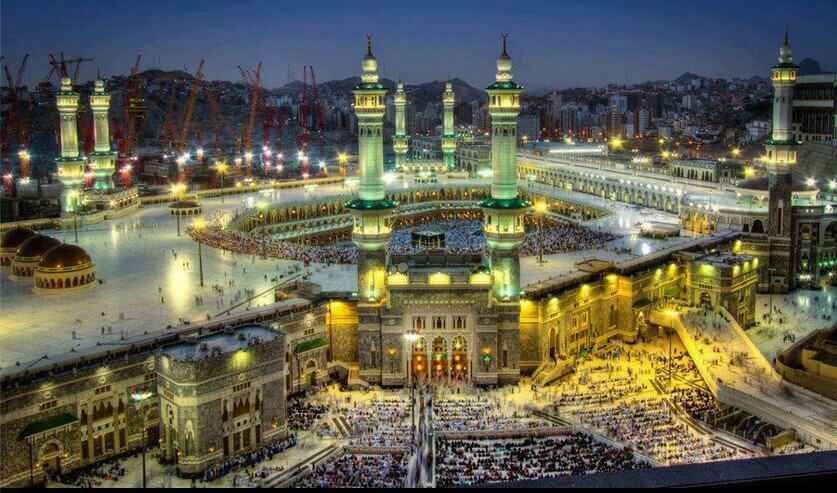
Early Islamic Period to Modern Saudi Expansions
From a simple open space in early Islamic history, Masjid al-Haram has undergone continuous expansion under various caliphates and Saudi leadership. The modern mosque spans approximately 1.5 million square meters, accommodating up to four million worshippers at peak times.
Gates, Minarets, and Mosque Capacity
Masjid al-Haram features over 210 gates and multiple minarets rising nearly 90 meters. Major entrances such as King Abdulaziz Gate and King Fahd Gate help manage pilgrim flow during high-density periods like Ramadan and Hajj.
Recommended: Masjid e Nabvi
Performing Worship at Masjid al-Haram
Tawaf Step by Step
Tawaf consists of seven counter-clockwise circuits around the Kaaba, beginning at the Black Stone. Pilgrims must be in wudu and maintain calm movement, especially during busy hours. Upper floors are available and equally valid for worship.
Sa’i Between Safa and Marwa
After Tawaf, pilgrims performing Umrah proceed to Sa’i, walking seven laps between Safa and Marwa. Green light markers indicate the jogging area for men, while women walk at a normal pace.
Prayer Areas and Upper Levels
Prayer spaces extend across multiple floors, including rooftop levels that offer quieter environments, especially late at night.
Visitor Guidelines, Etiquette, and Access Rules
Who Can Enter Masjid al-Haram
Entry to Makkah and Masjid al-Haram is restricted to Muslims only. Compliance is strictly enforced.
Dress Code and Mosque Etiquette
Pilgrims must dress modestly. Ihram is required for Umrah and Hajj, while respectful Islamic attire is sufficient for regular prayers. Cleanliness, patience, and consideration for others are essential acts of worship within the mosque.
Facilities and Services for Pilgrims
Zamzam Water and Wudu Areas
Designated drinking stations are spread throughout the mosque, while wudu and restroom facilities are located around the outer perimeter and basement levels.
Wheelchair and Accessibility Services
Dedicated pathways, wheelchair access, and electric carts are available, ensuring elderly and differently-abled pilgrims can perform rituals comfortably.
Religious Guidance and Translations
Live khutbah translations, multilingual help desks, and religious guidance booths operate around the clock to assist pilgrims from all backgrounds.
Crowd Management and Best Times to Visit
Peak Seasons and Quiet Hours
The busiest periods are Ramadan, Hajj season, and Friday prayers. Late night and mid-morning hours outside peak seasons are generally calmer for Tawaf and prayer.
Safety and Crowd Awareness
Pilgrims are advised to avoid pushing near the Black Stone and Maqam Ibrahim during peak hours. Worship performed with patience and care holds immense spiritual value.
Reaching Masjid al-Haram Comfortably
Pilgrims traveling from Jeddah, Madinah, or Taif often prefer private transport to ensure timely and stress-free access to Masjid al-Haram. For families, elderly pilgrims, and groups, private Umrah taxi services, Makkah Ziyarat taxis, and group transport using Hiace, Coaster, or Bus offer flexibility and comfort-especially during peak pilgrimage seasons.
Reliable intercity transport allows pilgrims to focus fully on worship without the challenges of navigating public transport or crowded schedules.
Conclusion – Experiencing Masjid al-Haram with Preparation and Purpose
Masjid al-Haram is not only the holiest site in Islam but also a place where faith, history, and devotion come together on an unmatched scale. Understanding its landmarks, rituals, and practical flow allows pilgrims to worship with clarity, calm, and intention. With thoughtful planning, respectful conduct, and reliable transportation, every visit to Masjid al-Haram becomes a deeply meaningful spiritual journey that remains etched in the heart long after departure.
Recommended Our Private Taxi
- Jeddah Airport Taxi Service
- Makkah to Madinah Taxi Service
- Madinah to Makkah Taxi Service
- Jeddah Airport to Madinah Taxi Service
FAQs
Why is Masjid al-Haram called “Haram”?
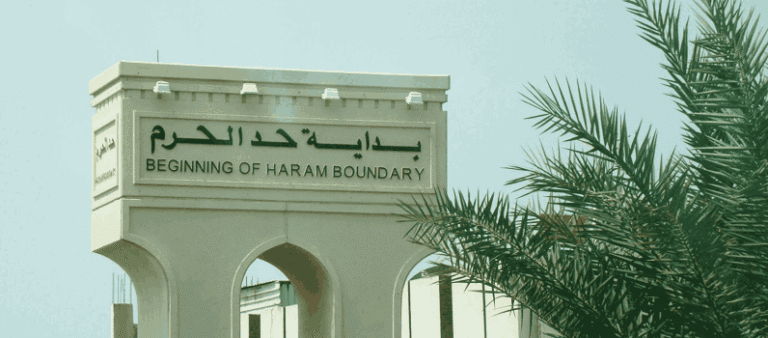
Masjid al-Haram is called “Haram” because it is a sacred sanctuary where certain actions are strictly prohibited, such as fighting, hunting, or harming others. The term reflects its protected spiritual status, established since the time of Prophet Ibrahim (peace be upon him), and emphasizes peace, safety, and reverence within its boundaries.
Why is Masjid al-Haram so important in Islam?
Masjid al-Haram is the most important mosque in Islam because it houses the Holy Kaaba, the Qibla for all Muslims. It is the central site for Hajj and Umrah, and prayer performed here carries a reward far greater than prayer anywhere else in the world.
Is Masjid al-Haram the biggest mosque in the world?
Yes, Masjid al-Haram is the largest mosque in the world by area and capacity. During peak periods such as Hajj and Ramadan, it can accommodate up to four million worshippers across its multiple floors and open courtyards.
Who is allowed to enter Masjid al-Haram?
Access to Masjid al-Haram and the city of Makkah is restricted to Muslims only. This rule is enforced by Saudi authorities, and non-Muslims are not permitted to enter the mosque or its surrounding sacred zone.
What is the reward of praying in Masjid al-Haram?
According to Islamic tradition, one prayer in Masjid al-Haram is equal to 100,000 prayers elsewhere. This unique reward is one of the main reasons pilgrims strive to spend as much time as possible praying inside the mosque.
What are the main rituals performed at Masjid al-Haram?
The main rituals include Tawaf (circumambulating the Kaaba), Sa’i (walking between Safa and Marwa), daily prayers, and supplication. Tawaf and Sa’i are essential rites of Umrah and Hajj, while voluntary Tawaf and prayer can be performed at any time.
Where can I find Zamzam water inside Masjid al-Haram?
Zamzam water is available throughout Masjid al-Haram via clearly marked drinking dispensers on all levels, including near prayer halls and corridors. The water is provided chilled and non-chilled, and is meant for drinking, not wudu.
What is the best time to perform Tawaf at Masjid al-Haram?
Outside of peak seasons, late night (after 11 PM) and mid-morning hours are generally calmer. During Ramadan and Hajj, crowds are constant, so performing Tawaf on upper levels is often safer and more comfortable.
Can elderly pilgrims or wheelchair users perform Tawaf and Sa’i?
Yes, Masjid al-Haram is highly accessible. Wheelchairs, electric carts, and dedicated pathways are available for Tawaf and Sa’i, allowing elderly and differently-abled pilgrims to perform rituals with ease and dignity.
How do pilgrims usually reach Masjid al-Haram from other cities?
Most pilgrims arrive via Jeddah, Madinah, or Taif and use private transport for convenience. Many families and groups prefer private Umrah taxis, Ziyarat transport, or group vehicles like Hiace, Coaster, or buses to ensure timely, comfortable access to the mosque, especially during busy pilgrimage seasons.