If you’re looking affordable private services in Saudi Arabia, contact Now for Umrah Taxi service.
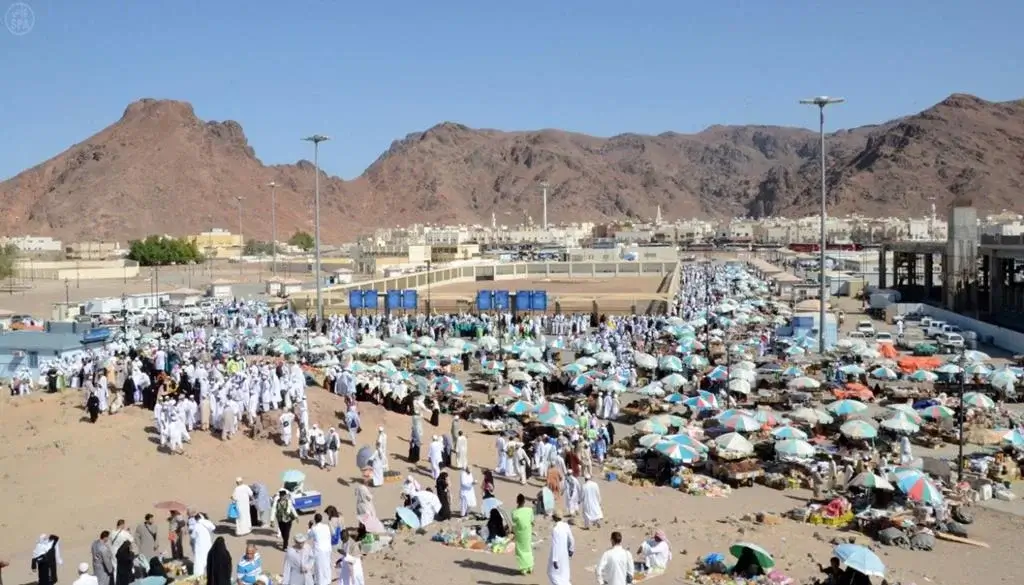
Shuhada Uhud Cemetery Guide: History, Location, and Visiting the Martyrs of Uhud in Madinah


February 3, 2026
If you’re looking affordable private services in Saudi Arabia, contact Now for Umrah Taxi service.
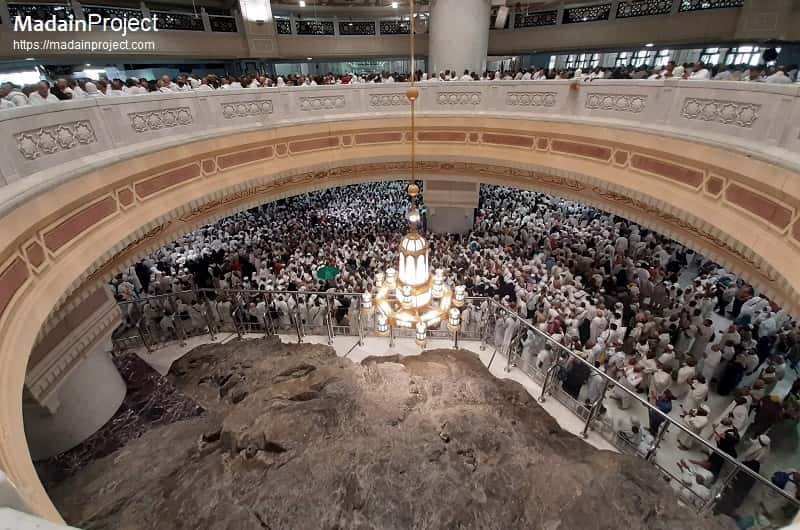
Safa and Marwa are two historic hills located inside Masjid al-Haram in Makkah, forming an essential part of both Umrah and Hajj. Walking between these two points-known as Sa’i-is not a symbolic gesture alone but a compulsory act of worship rooted in faith, perseverance, and complete trust in Allah.
Understanding Safa and Marwa correctly allows pilgrims to perform Sa’i with clarity, confidence, and spiritual focus.
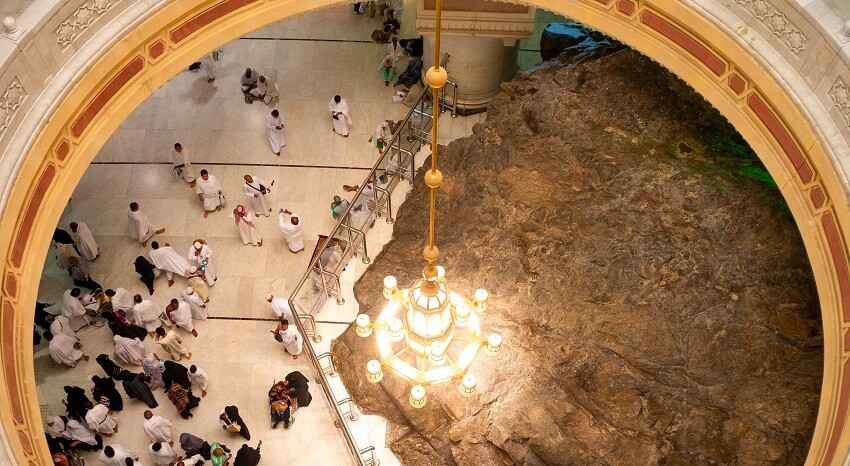
Safa and Marwa are small rocky hillocks situated adjacent to the Kaaba, enclosed today within a dedicated walkway called the Masa’a. They are among the Sha‘a’ir Allah-the sacred symbols of Allah-explicitly mentioned in the Qur’an.
Every pilgrim performing Umrah or Hajj must pass between these two points as part of their rites.
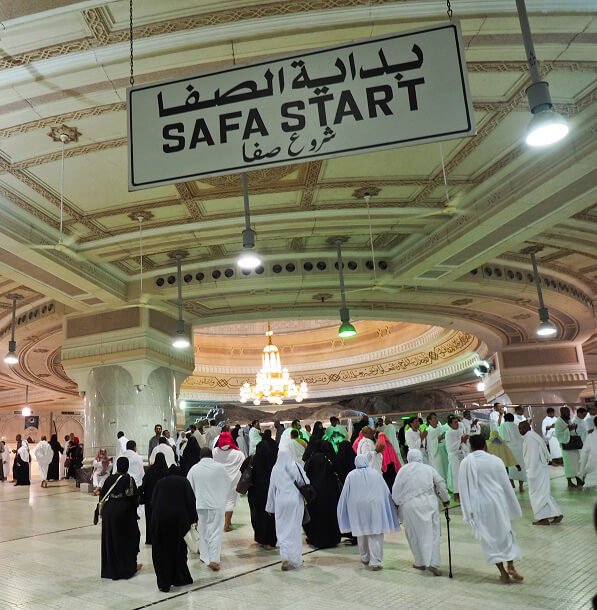
The origin of Sa’i traces back to Hajar, the wife of Prophet Ibrahim and mother of Prophet Ismail. Left in the barren valley of Makkah with her infant son and limited provisions, Hajar ran repeatedly between Safa and Marwa searching for water.
Her struggle ended with divine mercy: the spring of Zamzam emerged near Ismail’s feet, sustaining life and leading to the settlement of Makkah.
This event transformed Safa and Marwa into eternal symbols of:
Allah confirms their sanctity in the Qur’an, making Sa’i an act of remembrance and reflection, not mere movement.
Sa’i literally means to strive or to walk. In Islamic worship, it refers to walking seven times between Safa and Marwa in a specific order.
Sa’i is:
Unlike Tawaf, Sa’i emphasizes human effort, persistence, and humility.
Each movement from Safa to Marwa counts as one lap. The return is another.
Proceed to the Masa’a area inside Masjid al-Haram.
Between Safa and Marwa are two green-lit markers indicating where Hajar ran.
After the seventh lap, Sa’i is complete.
Today, Safa and Marwa are housed within a multi-level, air-conditioned gallery designed to accommodate millions of pilgrims.
This modernization maintains the sanctity while improving safety and accessibility.
Despite differences in timing, the method remains identical.
Avoiding these errors ensures your Sa’i is valid and complete.
Many pilgrims underestimate how important reliable transport is during Umrah and Hajj. Smooth movement between cities allows you to conserve energy for acts of worship like Sa’i.
Pilgrims often benefit from:
Choosing licensed private transport ensures timely arrival, comfort, and focus on ibadah rather than logistics.
Is Sa’i valid without wudu?
Yes, though purity is recommended.
Can Sa’i be paused?
Yes, and resumed from where you stopped.
Is Sa’i allowed on upper floors?
Yes, all levels are valid.
What is the best time to perform Sa’i?
Less crowded hours-late night or early morning-are often easier.
Safa and Marwa are not just physical landmarks; they represent perseverance, faith, and divine mercy. Performing Sa’i with correct knowledge transforms this ritual into a deeply meaningful act of worship.
By understanding the history, rules, distance, and proper method of Sa’i-and by planning your journey and transport wisely-you ensure that your Umrah or Hajj is both spiritually fulfilling and practically smooth.
May every step between Safa and Marwa bring acceptance, reflection, and closeness to Allah.