Can a Non-Muslim Go to Mecca? Complete Legal & Travel Guide
Can a Non-Muslim Go to Mecca?
The clear and direct answer is no. Under current Saudi Arabian law and long-established Islamic tradition, non-Muslims are not permitted to enter the city of Mecca (Makkah) under any circumstances. This restriction applies regardless of purpose, including tourism, work, research, or curiosity.
While Saudi Arabia has opened significantly to international visitors under Vision 2030, Mecca remains a religious sanctuary reserved exclusively for Muslims. The rule is strictly enforced and is one of the clearest examples of religion-based access control anywhere in the world.
Why Mecca Is Restricted to Muslims Only?
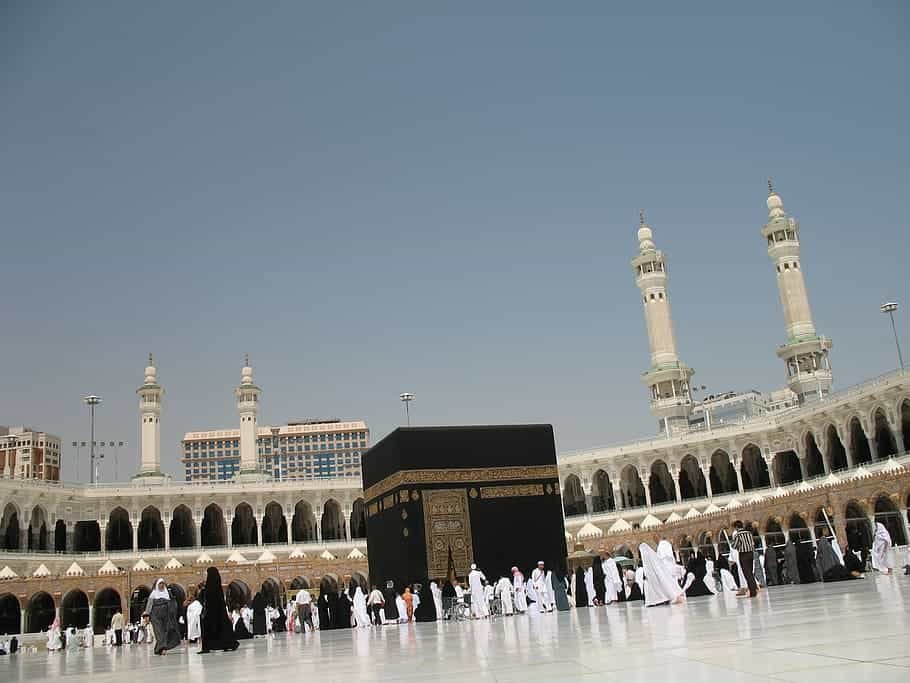
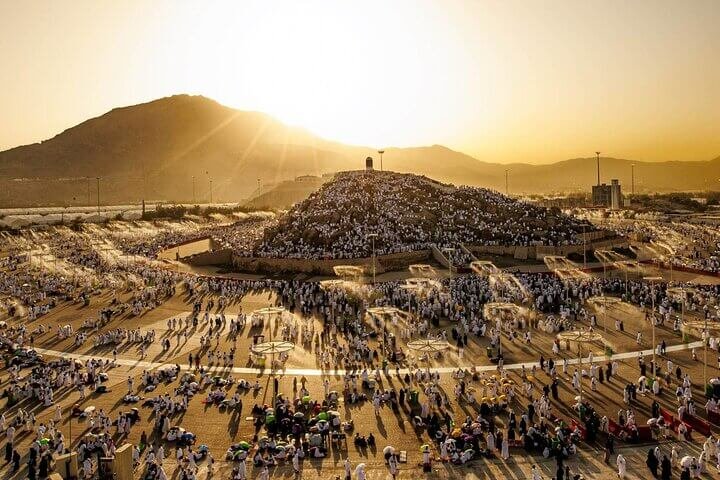
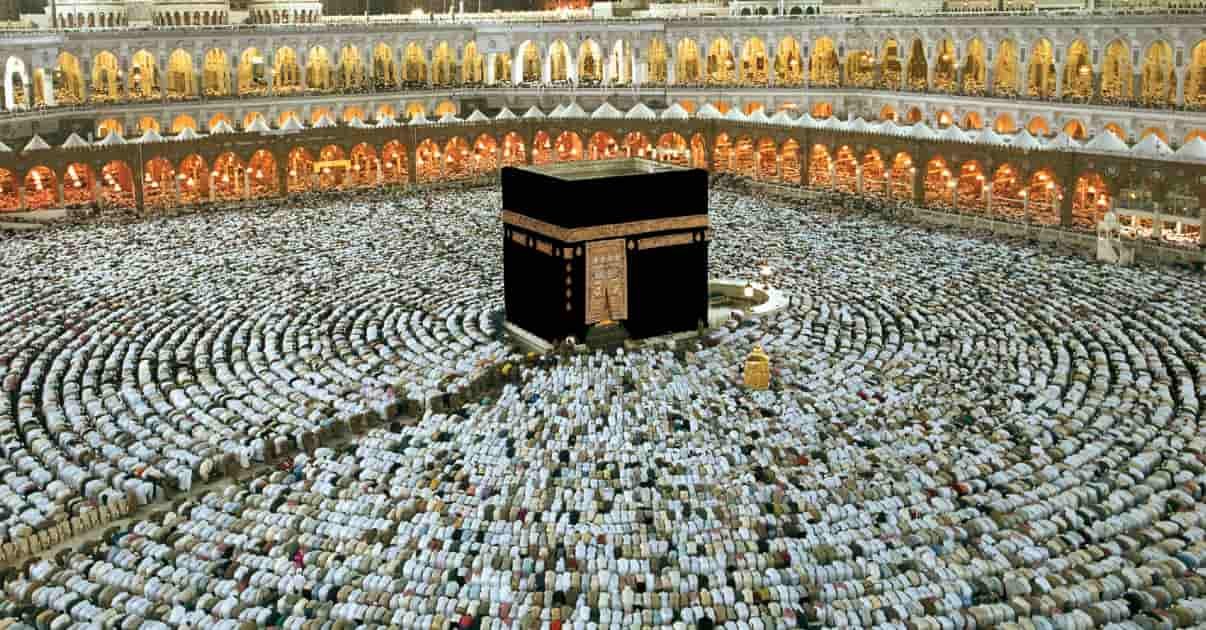
Mecca holds unmatched religious significance in Islam. It is home to the Kaaba, located within Masjid al-Haram, the holiest site in the Islamic faith and the direction Muslims face during daily prayers. Every year, millions of Muslims travel to Mecca to perform Hajj and Umrah, acts of worship that are central pillars of Islam.
The restriction is rooted in Islamic teachings that define Mecca as a sacred sanctuary (Haram) meant solely for worship by Muslims. Beyond theology, the limitation also serves practical purposes. Managing crowd density, ensuring safety, and preserving the spiritual environment of the city are critical responsibilities for Saudi authorities, especially during peak pilgrimage seasons.
How the Mecca Entry Ban Is Enforced?
Saudi Arabia applies a multi-layered enforcement system to ensure that only Muslims enter Mecca.
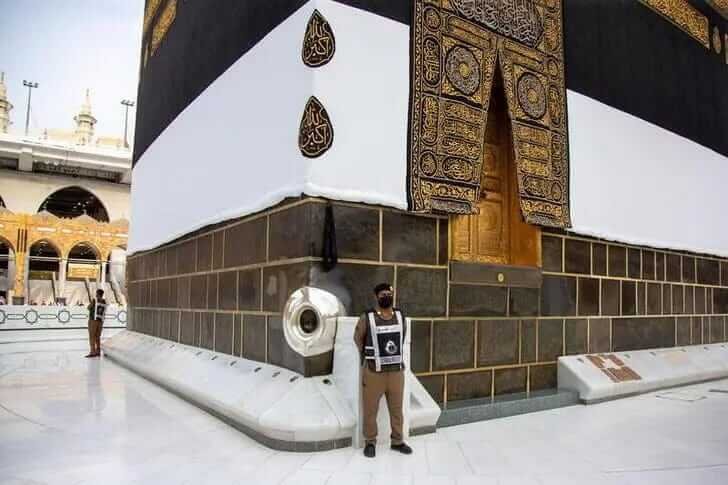
Road checkpoints and signage are positioned on all major highways leading into the city. Clear signs in Arabic and English direct non-Muslims toward alternative routes before reaching Mecca’s boundaries. Security personnel at these checkpoints verify identification and travel eligibility.
Visa regulations play an essential role. Entry into Mecca for religious purposes requires a valid Hajj permit or Umrah visa, both of which are issued only to Muslims. While Saudi tourist e-Visas allow non-Muslims to travel widely across the country, they do not grant access to Mecca.
In cases where religious status is unclear, officials may ask basic questions about Islamic practice or request documentation confirming conversion to Islam, sometimes referred to as a Shahada certificate.
Transport systems are also controlled. The Haramain High-Speed Railway and licensed transport routes into Mecca operate under strict passenger verification rules to prevent unauthorized entry.
What Happens If a Non-Muslim Tries to Enter Mecca?
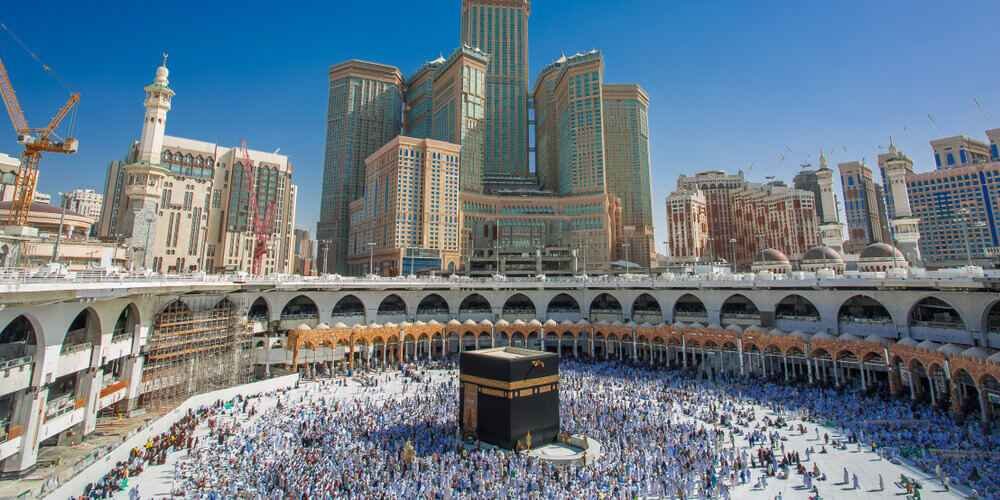
Attempting to enter Mecca as a non-Muslim is treated as a serious legal violation. Consequences may include immediate removal at checkpoints, fines, detention, deportation, and potential long-term bans from re-entering Saudi Arabia.
During the Hajj season, enforcement becomes even stricter. Penalties increase due to heightened security concerns and the immense scale of pilgrim movement.
Can Non-Muslims Visit Medina?
Unlike Mecca, non-Muslims are allowed to enter the city of Medina (Al-Madinah). This represents a major shift compared to earlier decades and reflects Saudi Arabia’s evolving approach to cultural and religious tourism.
However, access is not unrestricted. Non-Muslims cannot enter the Prophet’s Mosque (Al-Masjid an-Nabawi) or the immediate sacred area surrounding it, including Jannat al-Baqi cemetery. These zones are clearly marked and actively monitored.
Outside the Haram boundary, most of Medina’s hotels, roads, shopping areas, and residential districts are accessible, provided visitors dress modestly and respect local customs.
Exact Borders of the Mecca Haram Area
The restriction applies not only to Masjid al-Haram but to the entire city of Mecca, which lies within the defined Haram boundary. This boundary is marked by physical signs and checkpoints several kilometers before the urban center.
Because the whole city falls within this sacred zone, there is no legal or practical way for a non-Muslim to enter Mecca partially or briefly.
Religion, Conversion, and Entry Rules
A person who has genuinely converted to Islam is permitted to enter Mecca, provided they comply with Saudi visa and pilgrimage regulations. Conversion status may be verified if required.
Tourists, journalists, or business travelers who are non-Muslim do not receive exceptions. Diplomatic access, often rumored online, is extremely rare and tightly controlled.
Alternative Places Non-Muslims Can Visit in Saudi Arabia
Although Mecca is off-limits, Saudi Arabia offers many culturally and historically rich destinations. Jeddah, known as the gateway to Mecca, is especially popular for its historic Al-Balad district, Red Sea coastline, and Islamic architecture. Many visitors choose to stay in Jeddah while learning about Hajj and Umrah traditions from the outside.
Medina, outside its sacred core, provides insight into early Islamic history. Other cities such as Riyadh, Taif, Al-Ula, and Diriyah are fully open to international tourists and showcase the Kingdom’s heritage.
Several mosques outside Mecca, including landmark mosques in Jeddah, welcome respectful non-Muslim visitors outside prayer times.
Travel Logistics Around Mecca for Mixed Groups
Families and groups traveling together sometimes include both Muslim and non-Muslim members. In such cases, proper planning is essential to avoid restricted routes.
Using licensed private transport services helps ensure compliance with Saudi regulations. Professional drivers are familiar with Mecca boundaries, checkpoint locations, and approved drop-off points outside the Haram area.
For Muslim pilgrims, services such as Jeddah to Makkah taxi, Makkah Ziyarat taxi, and Madinah Ziyarat taxi provide safe and lawful access to holy sites. Group transportation using Hyundai Staria, Toyota Hiace, Coaster, or Bus is commonly used for families and Umrah groups traveling together, especially between Jeddah, Makkah, and Madinah.
Conclusion
Non-Muslims cannot go to Mecca, and this rule is absolute, clearly defined, and strictly enforced. The restriction is rooted in religious sanctity, legal structure, and practical considerations tied to pilgrimage management. Attempting to bypass it can lead to serious legal consequences.
At the same time, Saudi Arabia remains open and welcoming to non-Muslim visitors across much of the country, including Medina outside its sacred zones, Jeddah, and many historic regions. Respecting local laws and religious boundaries is essential for a safe and meaningful visit.
With proper planning and licensed transportation, Muslim pilgrims can perform Umrah, Hajj, and Ziyarat smoothly, while non-Muslim travelers can still experience Saudi Arabia’s culture and history without violating sacred restrictions.
Recommended Our Private Taxi Service:
- Jeddah Airport Taxi Service
- Makkah to Madinah Taxi Service
- Madinah to Makkah Taxi Service
- Jeddah Airport to Madinah Taxi Service
FAQs
Can non-Muslims enter Mecca under any circumstances?
No. Under Saudi Arabian law and long-established Islamic practice, non-Muslims are not allowed to enter Mecca at all. There are no tourist, work, or short-term exceptions. The entire city of Mecca lies within the sacred Haram boundary, making entry restricted exclusively to Muslims.
How do Saudi authorities know if someone is Muslim when entering Mecca?
Authorities verify eligibility through multiple methods, including visa type, identification checks, and checkpoint inspections on roads leading to Mecca. Pilgrims must hold a valid Hajj permit or Umrah visa, which are issued only to Muslims. If necessary, officials may ask basic questions about Islamic practice or request documentation confirming conversion to Islam.
What happens if a non-Muslim accidentally travels toward Mecca?
Non-Muslims who approach Mecca are usually redirected at clearly marked checkpoints before entering the city. However, deliberately attempting to bypass restrictions or entering unauthorized areas can lead to fines, detention, deportation, and possible future bans from Saudi Arabia.
Are non-Muslims allowed to visit Medina?
Yes, non-Muslims are allowed to enter the city of Medina. However, they are not permitted to enter the Prophet’s Mosque (Al-Masjid an-Nabawi) or the immediate sacred area surrounding it. These restricted zones are clearly defined and actively enforced.
How close can non-Muslims get to the Prophet’s Mosque in Medina?
Non-Muslims can move freely in most parts of Medina but must stop before the Haram boundary around the Prophet’s Mosque. Visitors can see the mosque from outside the restricted zone but cannot enter the mosque, its courtyard, or the nearby Al-Baqi cemetery.
Can non-Muslims travel on the road between Jeddah and Mecca?
Yes, but only on designated routes that bypass Mecca itself. Roads leading directly into Mecca are clearly marked with signage directing non-Muslims to alternative paths. Using licensed private transport helps avoid restricted roads and checkpoint issues.
Are non-Muslims allowed on the Haramain High-Speed Railway to Mecca?
No. Travel to Mecca via the Haramain High-Speed Railway requires verification of eligibility. Passengers heading to Mecca stations must meet the same religious and visa requirements as road travelers, and non-Muslims are not allowed to disembark in Mecca.
Can a converted (revert) Muslim go to Mecca?
Yes. A person who has genuinely converted to Islam is allowed to enter Mecca, provided they meet Saudi visa requirements for Umrah or Hajj. In some cases, proof of conversion may be requested if religious status is unclear.
Are non-Muslims allowed to enter mosques in Saudi Arabia?
In many parts of Saudi Arabia, non-Muslims may enter certain mosques outside prayer times, provided they dress modestly and behave respectfully. However, Masjid al-Haram in Mecca and other sacred mosques within Haram areas are strictly restricted to Muslims only.
Why does Mecca remain closed to non-Muslims while Saudi Arabia allows tourism?
Mecca’s restriction is based on its unique religious status in Islam and the need to preserve its sanctity as a place of worship. While Saudi Arabia welcomes international tourists across much of the country, Mecca remains a protected spiritual center dedicated solely to Muslim pilgrims.