
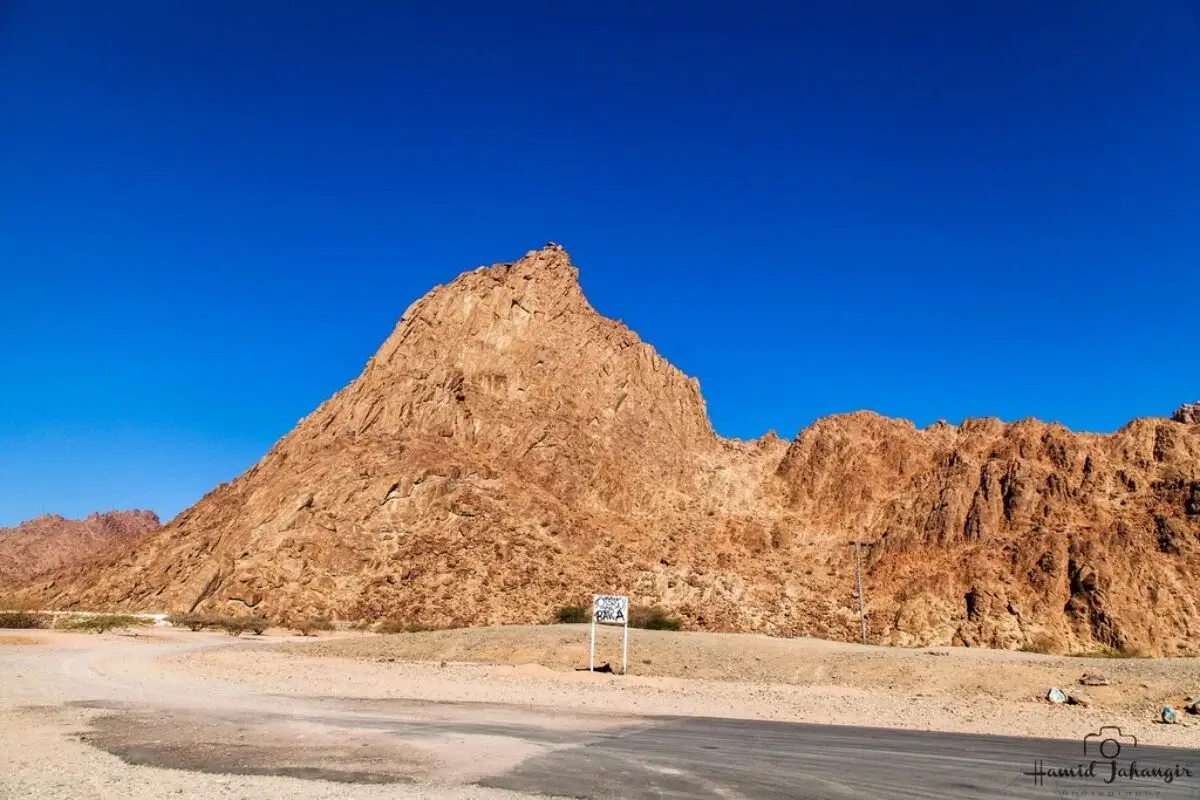
Wadi E Jin Area Guide: Mystery, Science & Travel Tips Near Madinah
Wadi E Jin is one of the most intriguing natural attractions near Madinah, drawing visitors with its mysterious reputation, striking desert scenery, and a phenomenon that appears to challenge the laws of gravity. Located approximately 30-40 kilometers northwest of the city, this remote valley has become a popular stop for both pilgrims and travelers seeking to explore something unusual beyond traditional ziyarah sites.
Often visited as part of a short excursion from Madinah, Wadi E Jin offers a unique blend of folklore, Islamic belief, and scientific curiosity, making it one of the most talked-about natural landmarks in the region.
What Is Wadi E Jin?
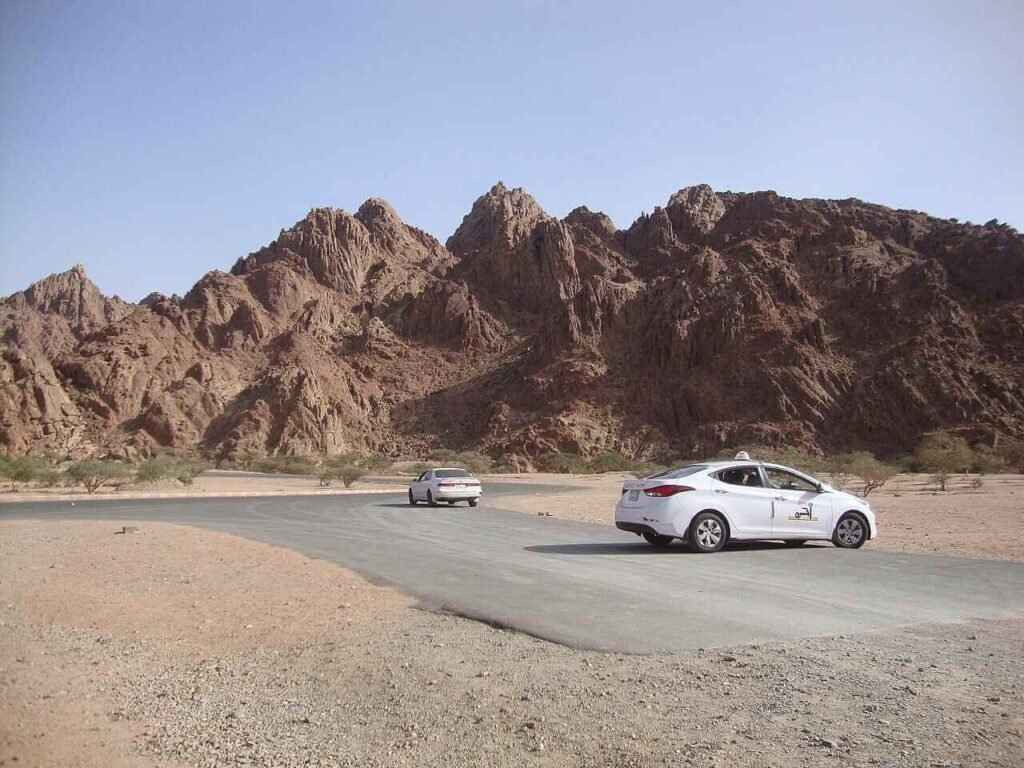
Wadi E Jin is officially known as Wadi Al-Baida, which translates to “The White Valley.” The area is characterized by pale rocky hills, an open desert basin, and a paved road cutting through a largely uninhabited landscape. The valley’s bowl-like shape and surrounding elevations play a key role in the visual experience visitors encounter here.
Locally, it is also called Wadi Al Jinn due to long-standing beliefs about supernatural activity in the area. Despite the stories, the valley itself remains a natural site rather than a formal religious destination.
Why Is Wadi E Jin Famous?
Wadi E Jin is famous for a particular stretch of road where cars appear to roll uphill on their own. Visitors typically stop their vehicles, switch off the engine, place the car in neutral, and release the brake. To their surprise, the vehicle begins moving in the direction of Madinah, sometimes gaining noticeable speed.
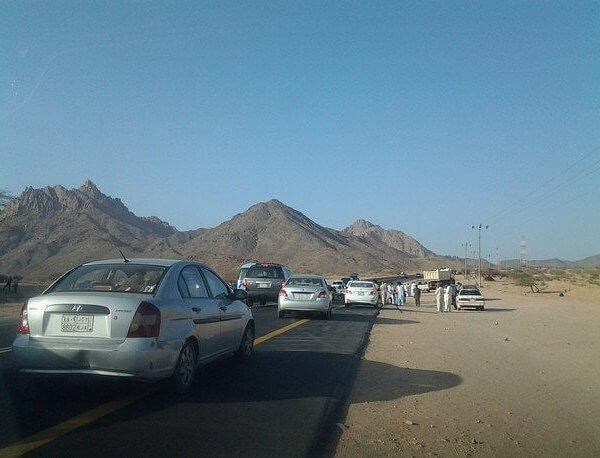
Many travelers also pour water onto the road and observe it flowing in the same “uphill” direction. This unusual experience has made Wadi E Jin one of the most visited curiosity spots around Madinah, especially on weekends when families and tourists gather to witness the phenomenon firsthand.
Islamic Perspective on Wadi E Jin
In Islamic belief, the existence of jinn is clearly affirmed in the Qur’an, where they are described as beings created from smokeless fire who live alongside humans in a parallel world. Because of this, many locals associate Wadi E Jin with jinn activity, believing these unseen beings are responsible for the unexplained movements witnessed in the valley.
Some narrations and historical accounts linked to the broader Madinah region mention encounters involving jinn, including events where the Prophet Muhammad ﷺ recited the Qur’an to them. These accounts strengthen the cultural and spiritual associations people feel toward places like Wadi E Jin.
At the same time, Islamic scholars generally advise against assigning supernatural explanations to specific locations without clear evidence. Wadi E Jin is not recognized as a site of worship or ritual, and visitors are encouraged to treat it as a natural landmark while maintaining respectful behavior due to its proximity to the sacred city.
Scientific Explanation Behind Wadi E Jin
From a scientific perspective, the phenomenon at Wadi E Jin is widely classified as a “gravity hill.” This occurs when the surrounding terrain creates a powerful optical illusion that makes a gentle downhill slope appear to be uphill.
The absence of a clear horizon, combined with the tilt of nearby hills, confuses depth perception. As a result, the human eye misjudges the slope, making cars and water appear to move against gravity when they are actually traveling downhill.
Some theories have also mentioned magnetic forces, but geological studies indicate that the illusion effect, not magnetism, is responsible. Similar gravity hills exist in other parts of the world, as well as in regions of southern Saudi Arabia, reinforcing the scientific explanation behind Wadi E Jin’s mystery.
How to Visit Wadi E Jin from Madinah
Wadi E Jin is about a 30-45 minute drive from Masjid an-Nabawi, making it an easy side trip during a Madinah stay. Most visitors travel via the road leading toward Al-Ula.
Hiring a private taxi from Madinah is one of the most convenient options, especially for pilgrims unfamiliar with local routes. Many travelers include Wadi E Jin as part of a Madinah ziyarah itinerary, combining comfort with flexibility. For families or groups, vehicles such as Hyundai Staria, Toyota Hiace, or even Coaster and Bus options provide a safer and more comfortable journey.
Best Time to Visit Wadi E Jin
The most comfortable months to visit are from October to April, when temperatures are milder. Early morning and late afternoon offer the best visibility and lighting, along with a more pleasant climate.
Midday visits during summer are not recommended due to extreme heat and lack of shade. While some people visit near sunset, overnight stays and late-night exploration are generally discouraged for safety reasons.
Nearby Ziyarah & Attractions
A visit to Wadi E Jin can be easily combined with other important Madinah landmarks such as Mount Uhud and Masjid Qiblatain. These sites hold deep historical and religious significance and are commonly included in guided ziyarah routes.
Using a dedicated Madinah ziyarah taxi allows travelers to cover multiple locations comfortably in a single half-day plan.
Practical Travel Tips
Wadi E Jin has no permanent facilities, so visitors should carry water, snacks, and sun protection. The road is active, and vehicles testing the illusion can gain speed quickly, so standing in the roadway should be avoided.
Families should supervise children closely, and visitors are encouraged to respect the environment by avoiding littering and unnecessary noise.
Conclusion
Wadi E Jin remains one of the most fascinating natural attractions near Madinah, blending visual illusion, cultural storytelling, and Islamic context into a single experience. Whether approached through faith, science, or curiosity, the valley offers a memorable glimpse into how landscape can shape human perception.
For pilgrims and travelers in Madinah, visiting Wadi E Jin as part of a well-planned ziyarah trip-using reliable private transportation-ensures both safety and comfort while exploring this remarkable location.
FAQs
How far is Wadi E Jin from Madinah?
It is approximately 30-40 kilometers northwest of Madinah and takes around 30-45 minutes by car.
Is Wadi E Jin a religious site?
No, it is not an official place of worship. It is a natural valley associated with local stories and curiosity.
Why do cars move by themselves in Wadi E Jin?
The effect is caused by an optical illusion known as a gravity hill, where the road slopes downhill but appears uphill.
Is it safe to visit Wadi E Jin with family?
Yes, if visited during daylight and with proper caution around the road.
Can Wadi E Jin be included in a Madinah ziyarah tour?
Yes, it is commonly added to Madinah ziyarah routes along with other historical sites.


