Makkah Ziyarat Places List Every Pilgrim Should Visit
Visiting Makkah Ziyarat places is not a ritual obligation like Tawaf or Sa’i, yet for many pilgrims, it becomes one of the most spiritually transformative parts of their Umrah or Hajj journey. Ziyarat allows pilgrims to physically connect with the places where Islamic history unfolded, where revelation began, and where the Prophet ﷺ and his companions lived moments of sacrifice, patience, and divine support.
Unlike worship inside Masjid al-Haram, Ziyarat is a journey of reflection. Each site adds historical depth and emotional understanding to acts of worship already performed at the Kaaba. When done correctly and respectfully, Ziyarat strengthens faith rather than distracts from it.
Central & Historical Ziyarat Places in Makkah
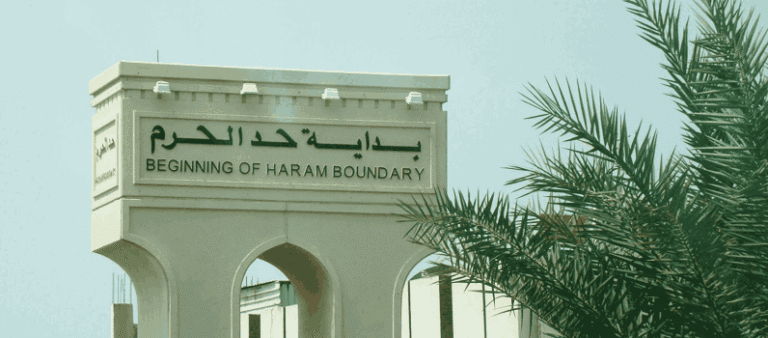
Many Ziyarat locations lie within or just outside the Haram boundary and can be visited comfortably even by elderly pilgrims.
Masjid al-Haram
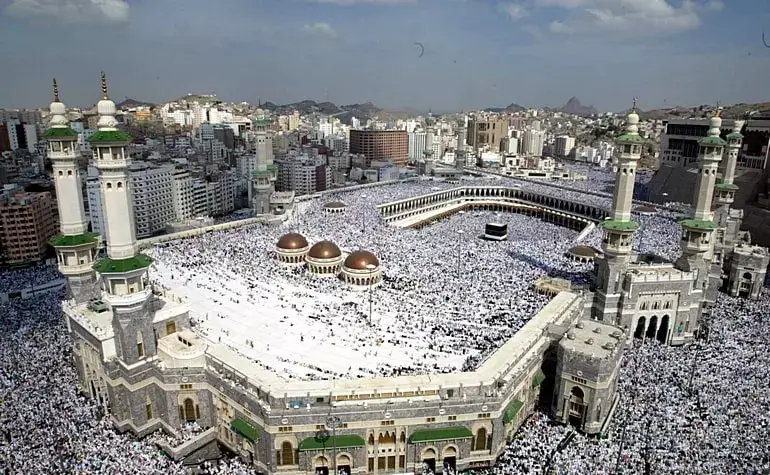
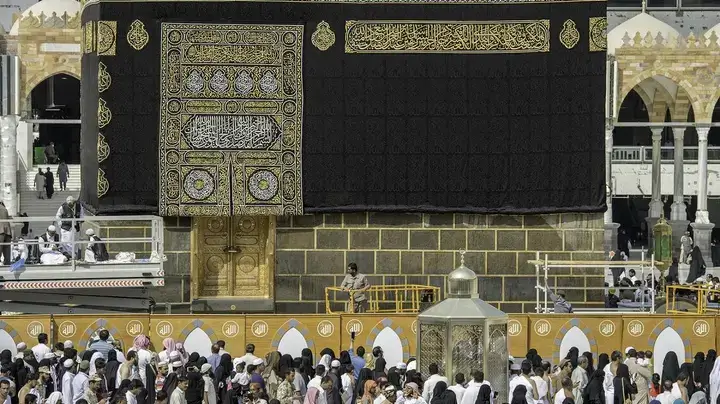
All Ziyarat journeys spiritually begin here. Within Masjid al-Haram, pilgrims witness the Kaaba, Maqam Ibrahim, Safa and Marwah, and the historic courtyard where millions have worshipped for centuries. While these are not “Ziyarat stops” in the tour sense, they provide the spiritual foundation for understanding every other site in Makkah.
Jannat al-Mu’alla
This ancient graveyard is the resting place of several family members of the Prophet ﷺ, including Sayyidah Khadijah (RA). A brief, respectful visit reminds pilgrims of the sacrifices made during the earliest days of Islam and reinforces the temporary nature of worldly life.
Masjid al-Jinn
Known for the incident where a group of jinn listened to the Qur’an and accepted Islam, this mosque reflects the universal message of Islam beyond mankind. It is often included as a short stop during Makkah Ziyarat tours.
Sacred Mountains & Revelation Sites
Some of the most powerful Ziyarat places in Makkah are located in the surrounding mountains, symbolizing solitude, struggle, and divine revelation.
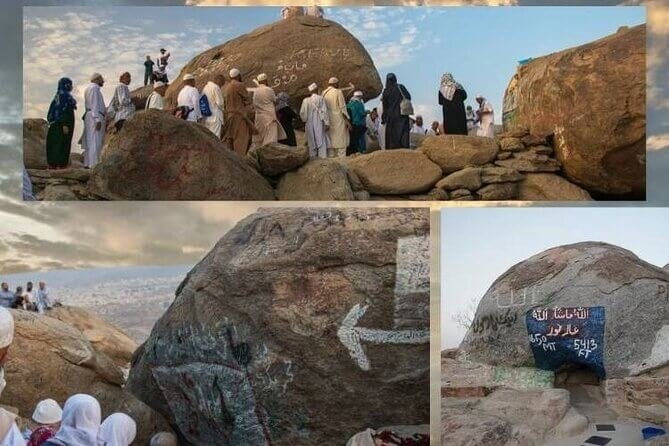
Jabal al-Nour
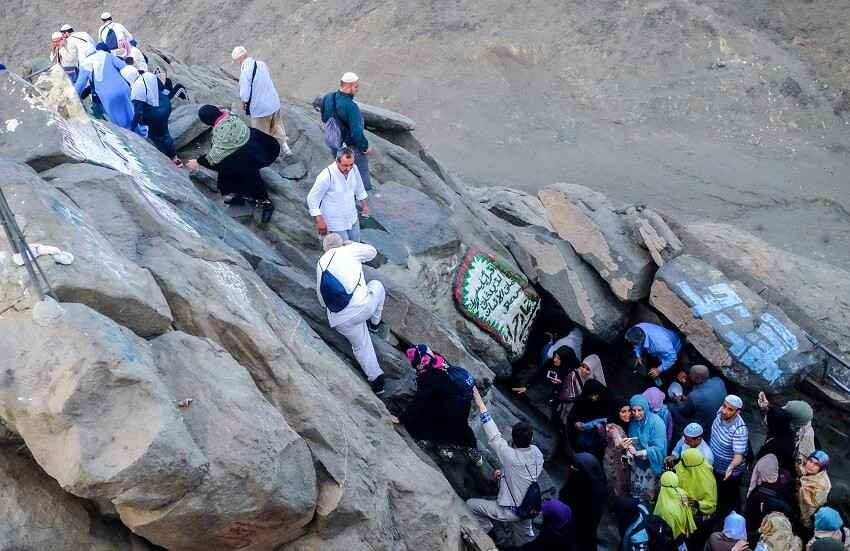
Home to the Cave of Hira, this mountain marks the beginning of revelation. While climbing is physically demanding and optional, simply viewing the mountain allows pilgrims to reflect on the moment when the Qur’an first descended upon humanity.
Jabal Thawr
This mountain contains the cave where the Prophet ﷺ and Abu Bakr (RA) took refuge during the Hijrah. Most pilgrims do not climb it due to difficulty, but viewing it from the base carries deep symbolic meaning of trust in Allah during hardship.
Hajj Ritual Sites Commonly Included in Ziyarat
Even outside the Hajj season, visiting these locations helps pilgrims understand the physical scale and spiritual discipline of Hajj rituals.
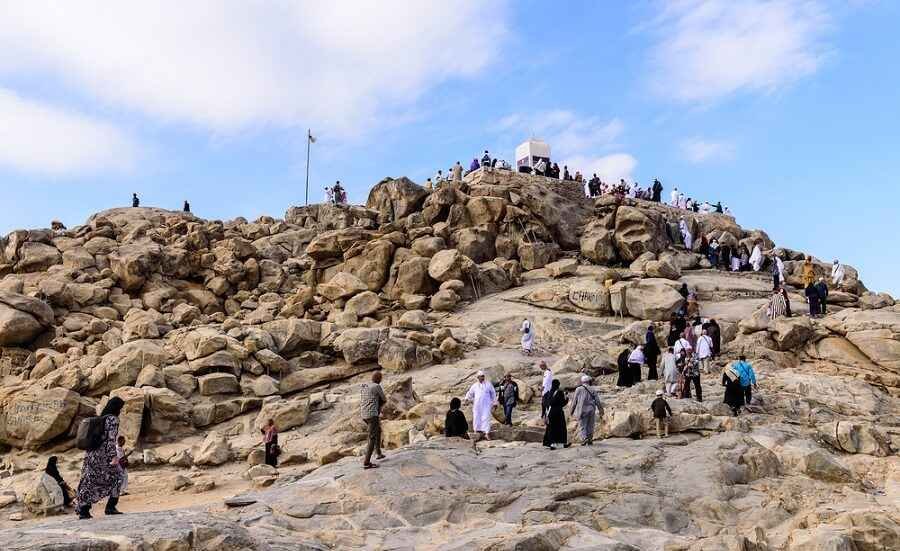
Mount Arafat
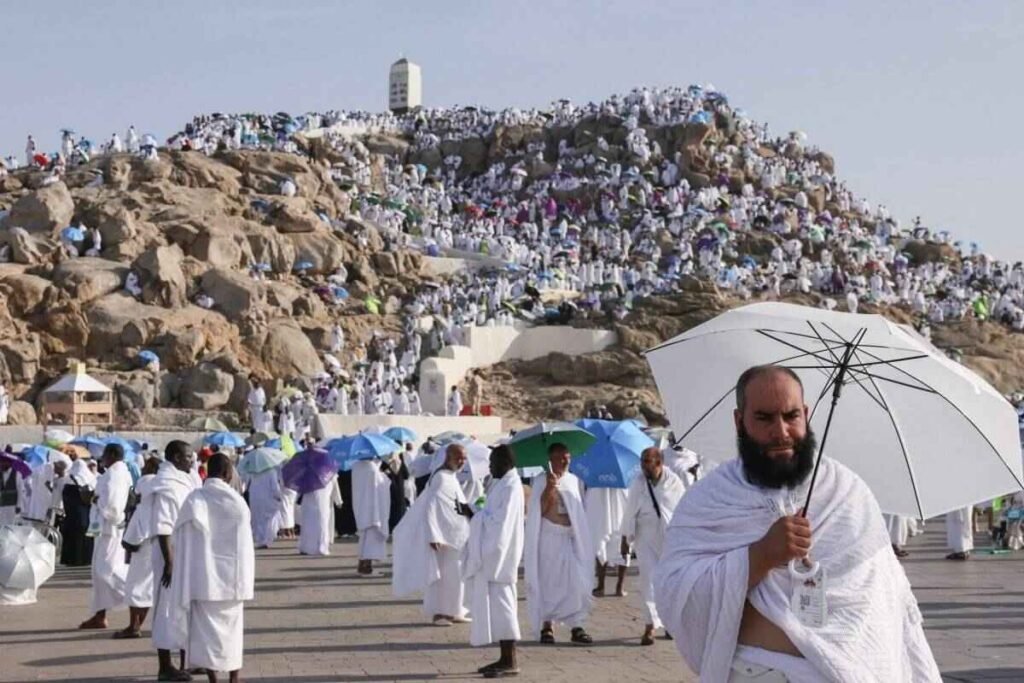
Known as Jabal al-Rahmah, this is where the Prophet ﷺ delivered his Farewell Sermon. Standing here, even briefly, reminds pilgrims of Islam’s core message of equality, mercy, and unity.
Masjid Nimrah
Located on the plains of Arafat, this mosque marks the area of the Hajj sermon. Outside Hajj, pilgrims may stop for reflection and understanding of the Day of Arafah.
Muzdalifah
This open land represents patience and simplicity, where pilgrims rest under the open sky during Hajj. Ziyarat tours usually include a short drive-through to explain its role.
Mina
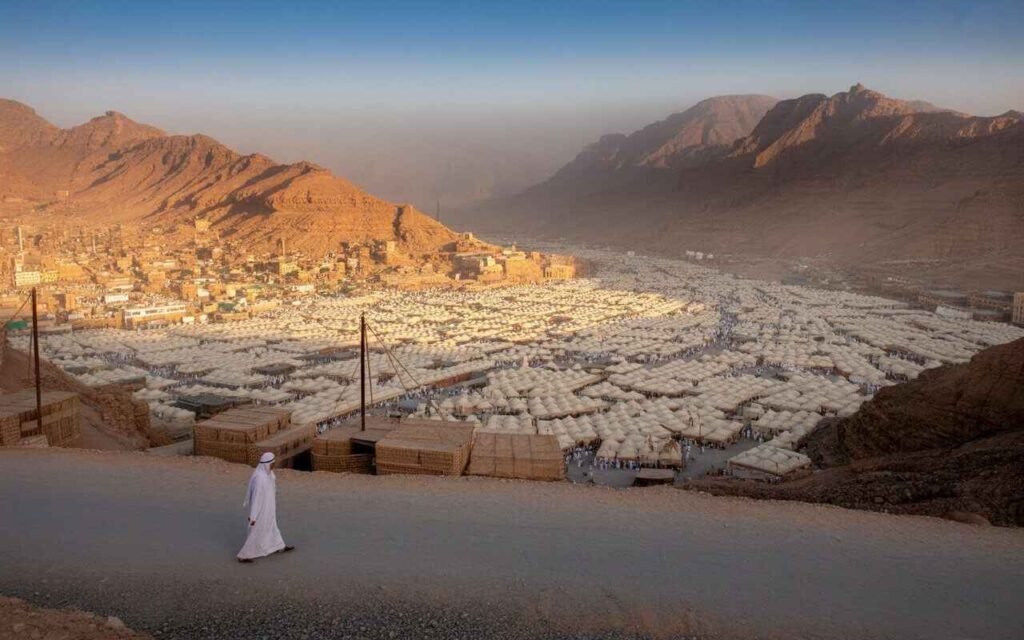
Famous for its white tents and the Jamarat area, Mina reflects the scale and organization of Hajj. Nearby lies Masjid al-Khaif, believed to be a place where many prophets prayed.
Important Mosques Outside Masjid al-Haram
Several mosques around Makkah hold historical and practical importance for pilgrims.
Masjid Aisha
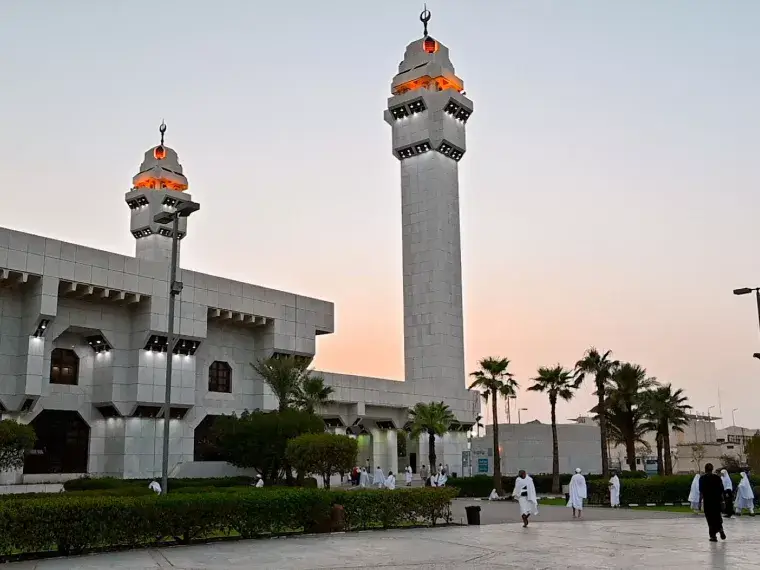
This mosque serves as the nearest Miqat for pilgrims already in Makkah who wish to perform another Umrah. It is one of the most frequently visited Ziyarat stops due to its functional role.
Masjid al-Shajarah
Associated with a miracle involving a tree responding to the Prophet ﷺ, this mosque is often included as a brief educational stop.
Planning Your Makkah Ziyarat Efficiently
Most pilgrims complete Makkah Ziyarat in 2 to 4 hours, depending on traffic, season, and whether mountain climbs are included. Early morning is ideal to avoid heat and congestion. Elderly pilgrims usually prefer drive-by explanations rather than physically demanding hikes.
Transportation for Makkah Ziyarat Tours
Because Ziyarat sites are spread across Makkah, Mina, Arafat, and Muzdalifah, licensed private transportation is the most practical option. Many pilgrims choose a Makkah Ziyarat taxi to save time and maintain comfort, especially when traveling with family.
For pilgrims arriving from Jeddah, a Jeddah to Makkah taxi allows direct transfer followed by Ziyarat without changing vehicles. Families and groups often prefer Toyota Hiace, Coaster, or Bus options, while couples and individuals choose Sedan or Camry services. Similar arrangements are available for Madinah Ziyarat taxi routes for those continuing their journey.
The key is choosing experienced drivers familiar with Ziyarat routes, prayer timings, and pilgrim needs, ensuring the journey remains smooth and spiritually focused.
Conclusion
Makkah Ziyarat places are not just historical landmarks; they are living reminders of faith, patience, sacrifice, and divine guidance. Visiting these sites deepens understanding of Islam and brings emotional clarity to rituals performed in Masjid al-Haram. When planned thoughtfully and supported by reliable transportation, Ziyarat becomes a meaningful extension of Umrah or Hajj rather than a rushed sightseeing tour.
May every step taken in these blessed lands strengthen faith and bring peace to the heart.
FAQs
How long does a Makkah Ziyarat tour usually take?
Most Ziyarat tours take between 2 and 4 hours, depending on traffic and the number of stops.
Is Ziyarat compulsory in Umrah or Hajj?
No, Ziyarat is not obligatory, but it is highly recommended for historical understanding and spiritual reflection.
Can elderly pilgrims do Ziyarat comfortably?
Yes. Most sites can be visited by vehicle with short stops. Mountain climbs are optional.
What is the best time for Ziyarat in Makkah?
Early morning is ideal to avoid heat and heavy traffic, especially in summer.
Do I need a private taxi for Ziyarat?
While buses exist, private taxis offer flexibility, comfort, and better time management, especially for families and groups.