If you’re looking affordable private services in Saudi Arabia, contact Now for Umrah Taxi service.
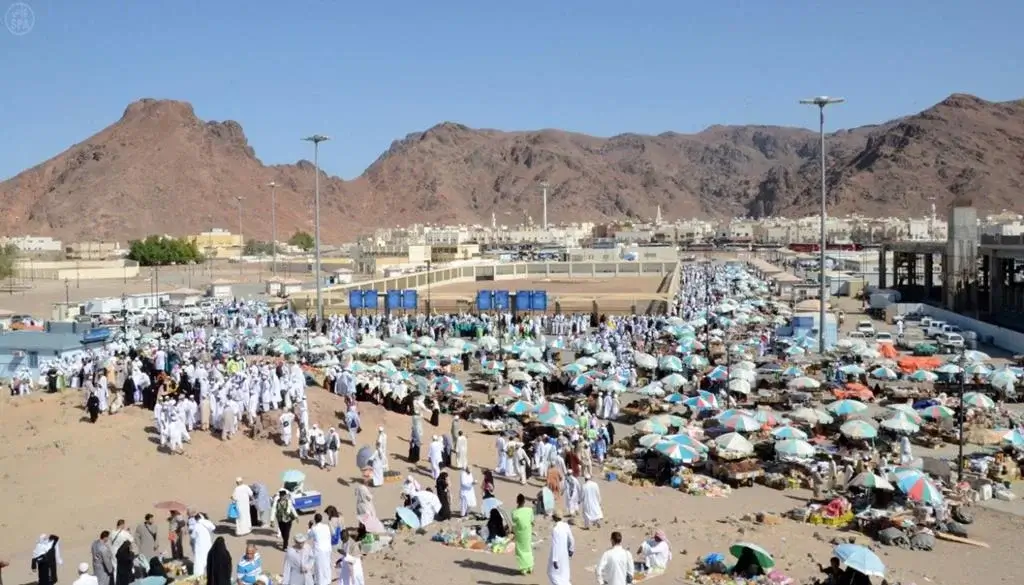
Shuhada Uhud Cemetery Guide: History, Location, and Visiting the Martyrs of Uhud in Madinah


February 19, 2026
If you’re looking affordable private services in Saudi Arabia, contact Now for Umrah Taxi service.
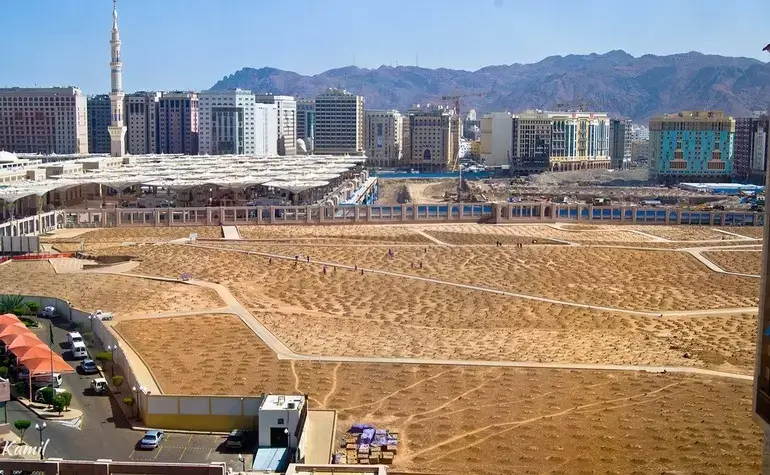
Jannatul Baqi, also known as Baqi al-Gharqad, is the main and most sacred cemetery of Madinah, located immediately beside Masjid al‑Nabawi. It is not merely a burial ground, but a living reminder of early Islamic history, humility before Allah, and the reality of the Hereafter.
For Muslims visiting Madinah during Umrah or Hajj, Jannatul Baqi holds immense spiritual weight because it is the resting place of thousands of the Sahaba, members of the Ahl al-Bayt, and close family of Prophet Muhammad ﷺ.
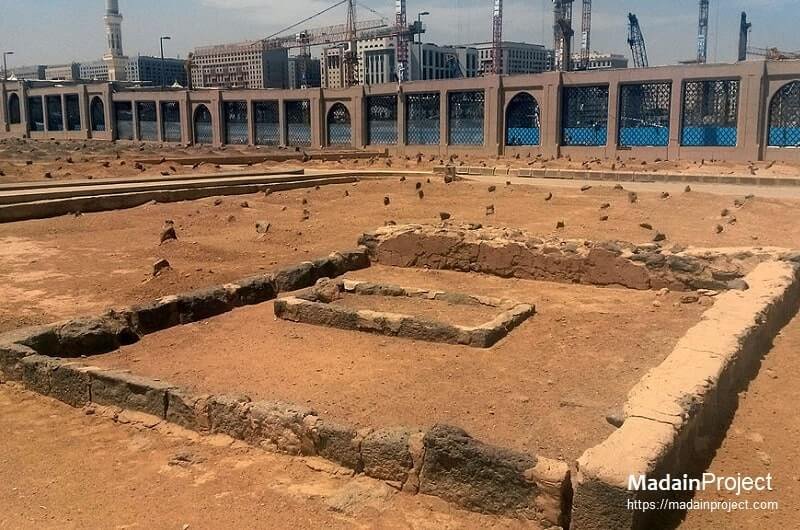
Jannatul Baqi is the oldest Islamic cemetery in Madinah. It was personally chosen by the Prophet ﷺ after his migration (Hijrah) and became the burial place for the earliest Muslims of Madinah. Over time, it expanded as more companions, scholars, and righteous believers were laid to rest there.
The cemetery lies directly to the eastern and southeastern side of Masjid al-Nabawi and is easily accessible during designated visiting hours.
The word “Baqi” refers to land where the roots of trees remain embedded, while “Gharqad” is the name of a thorny tree (boxthorn) that once grew abundantly in the area. Because of these trees, the cemetery became known as Baqi al-Gharqad.
The name reflects the natural state of the land before it became one of the most honored resting places in Islamic history.
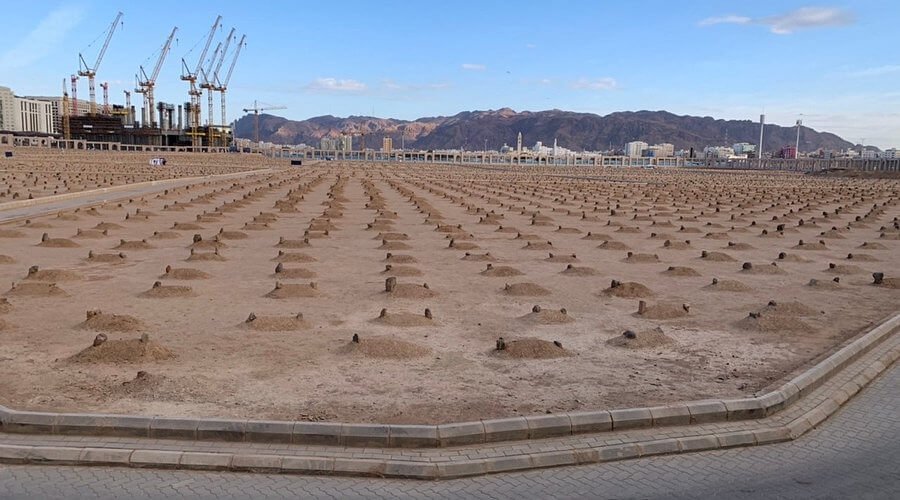
Jannatul Baqi is inseparable from the earliest chapters of Islam in Madinah. From the lifetime of the Prophet ﷺ, Muslims were buried here, making it a continuous historical record of faith, sacrifice, and devotion.
The first person buried in Jannatul Baqi was As’ad ibn Zurarah, an Ansari companion who passed away shortly after the Prophet’s arrival in Madinah. Among the Muhajirun, Uthman ibn Maz’un was the first to be buried there, shortly after the Battle of Badr.
Jannatul Baqi contains the graves of many of the most honored figures in Islam, including:
Although individual graves are no longer marked, knowing who rests here deepens humility and reverence during Ziyarat.
Visiting Jannatul Baqi is a virtuous act rooted in the Sunnah. It softens the heart, reminds the believer of death, and encourages sincere repentance and dua.
The Prophet ﷺ regularly visited Baqi and made supplication for its inhabitants, teaching the Ummah to pray for the deceased rather than seek anything from them.
Authentic narrations mention that the Prophet ﷺ would go to Jannatul Baqi, especially at night, and say:
“Peace be upon you, abode of believing people… O Allah, forgive the inhabitants of Baqi al-Gharqad.”
This practice establishes visiting graveyards as a Sunnah rooted in remembrance of the Hereafter.
Historically, domes and structures existed over some graves to identify notable personalities. In 1925, these structures were removed to preserve Islamic principles of simplicity, equality in death, and prevention of grave veneration.
Today, Jannatul Baqi remains simple, unmarked, and protected, reflecting the Islamic view that honor comes from faith, not monuments.
Jannatul Baqi is located directly beside Masjid al-Nabawi, accessible from the eastern side of the mosque across the open marble plaza.
Pilgrims coming from Makkah or Jeddah often visit Baqi as part of their Madinah stay. Many choose private transport services such as Jeddah to Madinah taxi, Madinah Ziyarat taxi, or group vehicles for families and elderly pilgrims.
Visiting times are controlled and may vary, but generally:
Currently, only men are allowed to enter the cemetery. Women may stand outside the gates or nearby areas and recite salams and duas.
Enter with sincerity, humility, and remembrance of death. Keep your voice low, avoid photography, and do not touch graves or seek blessings from the soil. Dua should be directed only to Allah.
A commonly recited dua is:
“As-salāmu ʿalaykum ahlad-diyāri minal-muʾminīna wal-muslimīn…”
Any authentic graveyard supplication is acceptable as long as it aligns with Islamic belief.
Early morning after Fajr is considered the most peaceful time. Attending Fajr prayer in Masjid al-Nabawi and then proceeding calmly toward Baqi allows for a more reflective experience.
Most pilgrims include Jannatul Baqi within a broader Madinah Ziyarat, alongside Masjid al-Nabawi, Quba Mosque, Uhud, and other significant sites. Private Ziyarat taxis help maintain comfort, privacy, and proper timing-especially for families or groups.
For pilgrims traveling between cities or visiting Ziyarat locations:
Reliable transport allows pilgrims to focus on worship rather than logistics.
Jannatul Baqi is not defined by structures or markers but by the faith, sacrifice, and sincerity of those buried within it. Standing at its gates reminds every believer of humility, accountability, and the temporary nature of this world.
For anyone visiting Madinah, Jannatul Baqi is a place of reflection, dua, and connection to the earliest generations of Islam-an experience that leaves a lasting spiritual imprint.
Is visiting Jannatul Baqi Sunnah?
Yes. The Prophet ﷺ regularly visited Baqi and made dua for its inhabitants.
Can women enter Jannatul Baqi?
Currently, women are not permitted inside but may offer salams and duas from outside.
Are the graves marked?
No. Most graves are unmarked to maintain equality and simplicity.
When is Jannatul Baqi open?
Usually after Fajr and sometimes after Asr, subject to local regulations.
Can Jannatul Baqi be visited during Umrah?
Yes. It is commonly included in Madinah stays during Umrah.