
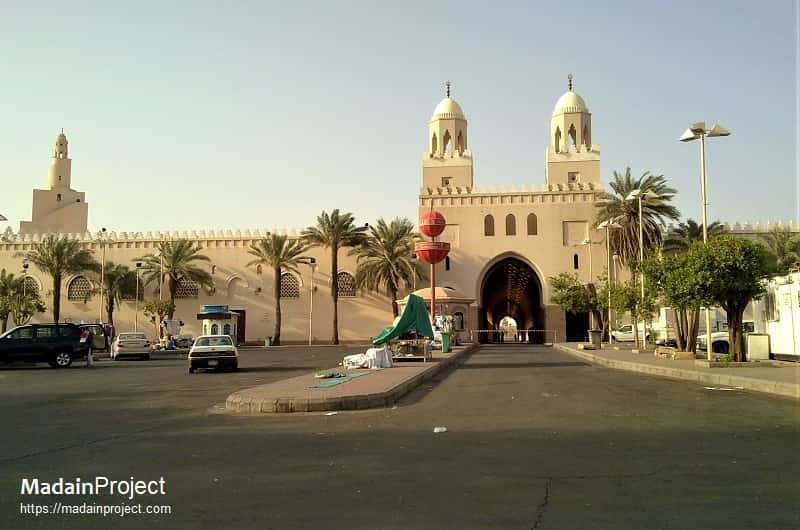
Al Aqiq: Al-Aqeeq Valley (Wadi Al Aqiq) in Madinah – History, Significance & Visitor Guide
What Is Al Aqiq and Where Is It Located?
Al Aqiq, historically known as Wadi Al Aqiq (وادي العقيق), is one of the most famous and longest valleys surrounding Madinah. Stretching along the southwestern edge of the city, the valley begins more than 100 kilometers south of Madinah, collecting seasonal rainwater before descending alongside Mount ‘Ayr and passing key historical areas such as Dhul Hulaifah.
The total length of Wadi Al Aqiq is approximately 52 kilometers, making it a defining geographical feature of Madinah’s landscape. Historically, it served as a natural corridor for pilgrims, traders, and early Islamic settlements.
Meaning of Al Aqiq
In Arabic, Al Aqiq refers to quartz or agate, a stone historically associated with the valley’s terrain. Over time, the name became inseparable from the valley itself, symbolizing purity, blessing, and natural abundance.
Geographic Layout of Wadi Al Aqiq
The valley runs west of Madinah, turning eastward near the area of Masjid al-Qiblatain, where it meets other valleys such as Bathan and Qanat. During winter rainfall, Wadi Al Aqiq transforms into a powerful seasonal river, which historically supported agriculture, farms, and water wells across the region.
Recommended: Masjid Aisha Makkah
Religious and Spiritual Significance of Wadi Al Aqiq
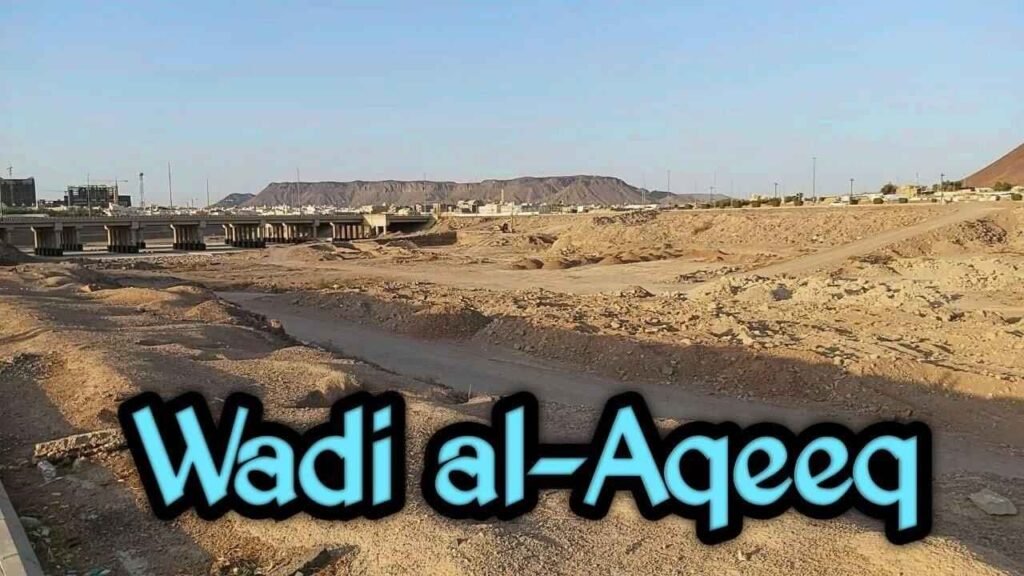
Why Al Aqiq Is Called the Blessed Valley
Wadi Al Aqiq holds a unique spiritual status in Islam. Authentic narrations report that the Prophet Muhammad ﷺ described it as a “blessed valley.” In one well-known hadith, the Prophet ﷺ said that a messenger from Allah instructed him to pray in this blessed valley while he was journeying for Hajj.
Because of this, Al Aqiq is not merely a geographic feature but a place remembered for worship, reflection, and obedience to divine instruction.
Connection with the Prophet ﷺ and the Companions
During the early Islamic period, stones from Wadi Al Aqiq were used in the flooring of Masjid an‑Nabawi during its expansion under Caliph Umar ibn al-Khattab رضي الله عنه. Many companions of the Prophet ﷺ owned farms, estates, and residences in the valley, turning it into a vibrant center of early Muslim life.
Historical Importance of Al Aqiq Valley
Early Islamic Settlements and Trade Routes
Long before modern Madinah expanded, Wadi Al Aqiq lay along ancient pilgrimage and trade routes linking the Hijaz to southern Arabia. Archaeological inscriptions dating from the first to third centuries after Hijrah still testify to continuous human presence and Islamic activity in the valley.
Agriculture, Water Sources, and Wells
Thanks to its fertile soil and seasonal water flow, Al Aqiq became one of Madinah’s most productive agricultural zones. Date farms, irrigation channels, and wells supported generations of residents and travelers passing through the area.
Key Landmarks and Sites in Wadi Al Aqiq
Miqat Dhul Hulaifah (Abyar Ali)
Located about 12 kilometers from Masjid an-Nabawi, Miqat Dhul Hulaifah is the designated miqat for pilgrims traveling from Madinah to Makkah. Situated directly on the edge of Wadi Al Aqiq, it is where pilgrims enter the state of ihram before beginning Umrah or Hajj. The mosque here has been expanded and renovated through multiple Islamic eras and remains one of the most visited religious sites near Madinah.
Mount ‘Ayr
Mount ‘Ayr rises along the valley’s western side and marks a natural boundary of Madinah. Mentioned in several narrations, the mountain also contains remnants of Ottoman-era defensive structures, reflecting its long-standing strategic importance.
Qasr Urwah ibn al-Zubayr
One of the best-preserved archaeological structures in the valley, Qasr Urwah ibn al‑Zubayr belonged to the renowned scholar and companion Urwah ibn al-Zubayr. The site illustrates how elite companions lived, farmed, and governed in early Madinah.
Bir Rumah (Well of Uthman ibn Affan)
Bir Rumah, purchased and endowed as waqf by Caliph Uthman ibn Affan رضي الله عنه, remains one of the oldest functioning wells in Madinah. It stands as a powerful symbol of Islamic charity and sustainable community support.
Masjid Mu‘aras
Near Dhul Hulaifah lies Masjid Mu‘aras, a site traditionally associated with the Prophet ﷺ resting overnight during his journeys. Though only remnants remain, its historical value continues to attract visitors during Ziyarat tours.
Al Aqiq Valley Walking Trail and Modern Development
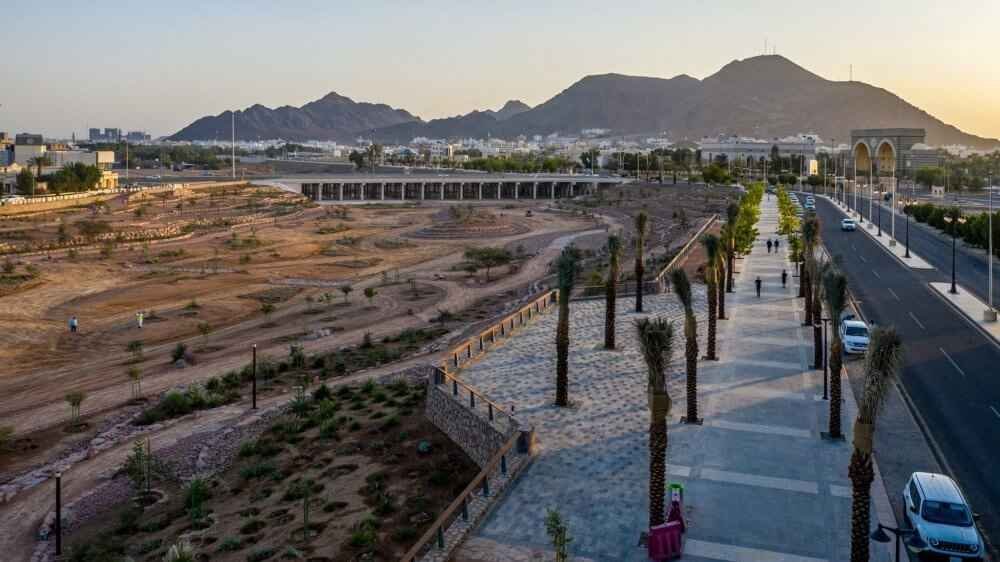
In recent years, parts of Wadi Al Aqiq have been revitalized into a landscaped walking trail featuring paved paths, shaded seating areas, palm trees, and night lighting. This development allows visitors to experience the valley’s tranquility while reflecting on its spiritual and historical legacy, making it a unique blend of heritage and modern urban planning.
How to Visit Al Aqiq from Madinah
Reaching Wadi Al Aqiq from central Madinah is straightforward, especially for visitors unfamiliar with local roads. Many pilgrims choose private transport as part of a Madinah Ziyarat taxi, allowing them to visit Al Aqiq alongside other sacred sites comfortably.
Best Time to Visit
Early morning after Fajr or late afternoon offers cooler temperatures and a peaceful atmosphere. Evening visits are also popular due to the illuminated walking trail.
Safety and Practical Tips
As a natural wadi, Al Aqiq is prone to flash flooding during heavy rain. Visitors should avoid entering the valley floor during or immediately after rainfall and wear comfortable walking shoes due to uneven terrain in undeveloped areas.
Al Aqiq as Part of Madinah Ziyarat and Umrah Travel
Wadi Al Aqiq naturally fits into a broader Madinah Ziyarat itinerary, often combined with Miqat Dhul Hulaifah for pilgrims preparing for Umrah. Travelers continuing their journey may arrange a Jeddah to Makkah taxi, or group transport using Car, Staria, Hiace, Coaster, or Bus, ensuring smooth intercity travel after completing their spiritual visit in Madinah.
Conclusion
Al Aqiq is far more than a valley-it is a living chapter of Islamic history where geography, spirituality, and human civilization intersect. From being described as a blessed valley by the Prophet ﷺ to serving as a lifeline for Madinah’s early communities, Wadi Al Aqiq continues to inspire reflection and reverence. Visiting it today offers pilgrims a deeper connection to the Prophet’s journey and a tranquil space for worship, learning, and remembrance.
FAQs
Is Wadi Al Aqiq the same as Al Aqiq in Riyadh?
No. Wadi Al Aqiq in Madinah is a historical and religious valley, while Al Aqiq in Riyadh is a modern residential district. They share the name but are entirely different places.
Can I pray in Wadi Al Aqiq?
Yes. It is permissible to offer voluntary prayers there, following the Prophet ﷺ’s instruction to pray in the blessed valley, without believing in any fixed ritual specific to the place.
How far is Wadi Al Aqiq from Masjid an-Nabawi?
The nearest sections are approximately 6–12 kilometers from the Prophet’s Mosque, depending on the access point.
Is Al Aqiq suitable for families and elderly visitors?
Yes, especially the developed walking trail areas. Using private transportation makes the visit more comfortable for families and senior pilgrims.