
Miqat Guide for Hajj & Umrah Pilgrims – Locations, Rules, and Ihram Boundaries Explained
For Muslims performing Hajj or Umrah, one of the most important preparations before entering Makkah is observing the boundary known as Miqat. Every pilgrim must enter the sacred state of Ihram before crossing this boundary. Understanding where the Miqat points are, when to assume Ihram, and how these locations relate to travel routes is essential for completing the pilgrimage correctly.
Because millions of pilgrims travel to Saudi Arabia each year for Umrah and Hajj, knowledge of Miqat also helps travelers plan their journey from cities like Jeddah, Madinah, and Taif to Makkah in a proper and organized way.
What Is Miqat in Islam?
The word Miqat refers to a specific boundary or designated location where pilgrims intending to perform Hajj or Umrah must enter the sacred state of Ihram. Once a pilgrim crosses this boundary with the intention of performing pilgrimage rituals, they must already be in Ihram.
Ihram represents a spiritual state of devotion and discipline. When entering Ihram, pilgrims wear specific garments and follow certain restrictions, such as avoiding hunting, cutting plants, or engaging in disputes.
The concept of Miqat ensures that every pilgrim approaches the sacred city of Makkah with the same spiritual preparation and humility.
Why Miqat Is Important for Hajj and Umrah
Miqat is not simply a geographical marker; it is a religious requirement established during the time of the Prophet Muhammad ﷺ. Specific locations were designated as entry points where pilgrims must prepare spiritually before entering the holy region.
If someone crosses the Miqat boundary without entering Ihram while intending to perform Umrah or Hajj, they are required to offer an expiation sacrifice (Damm) to compensate for the violation.
Because of this rule, pilgrims traveling by road, air, or train must carefully plan when and where to enter Ihram during their journey.
The Five Miqat Locations for Pilgrims
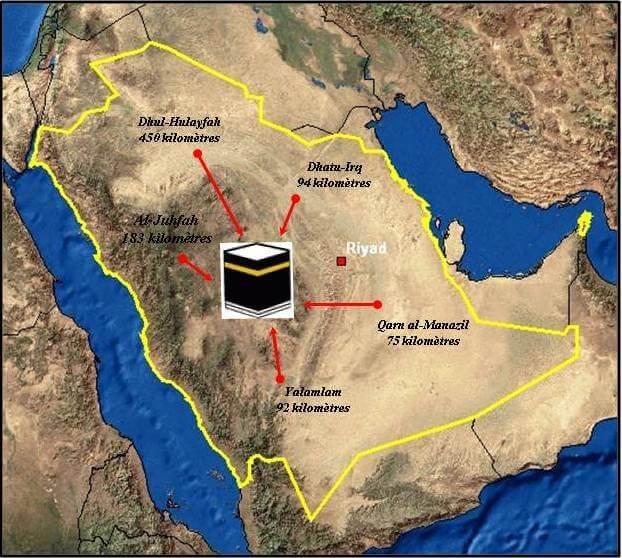
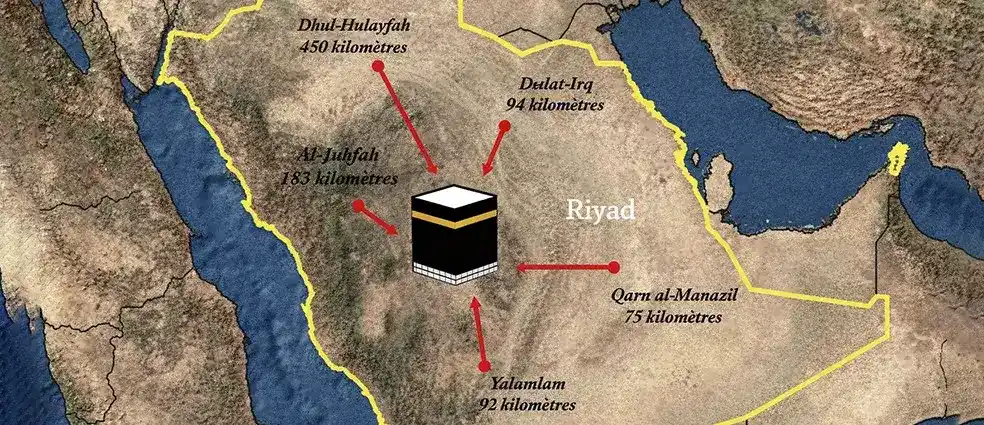
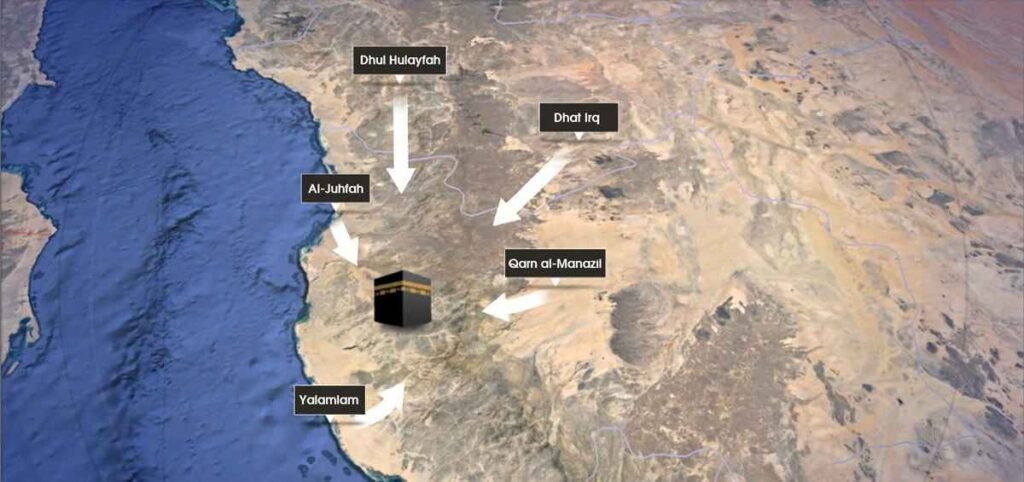
There are five main Miqat points for pilgrims approaching Makkah from different regions of the world. Four were established by the Prophet Muhammad ﷺ, and one was later designated during the caliphate of Umar ibn Al-Khattab to accommodate travelers from newly expanded regions.
Each Miqat corresponds to major travel routes toward Makkah.
Dhul Hulayfah (Abyar Ali) – Miqat of Madinah
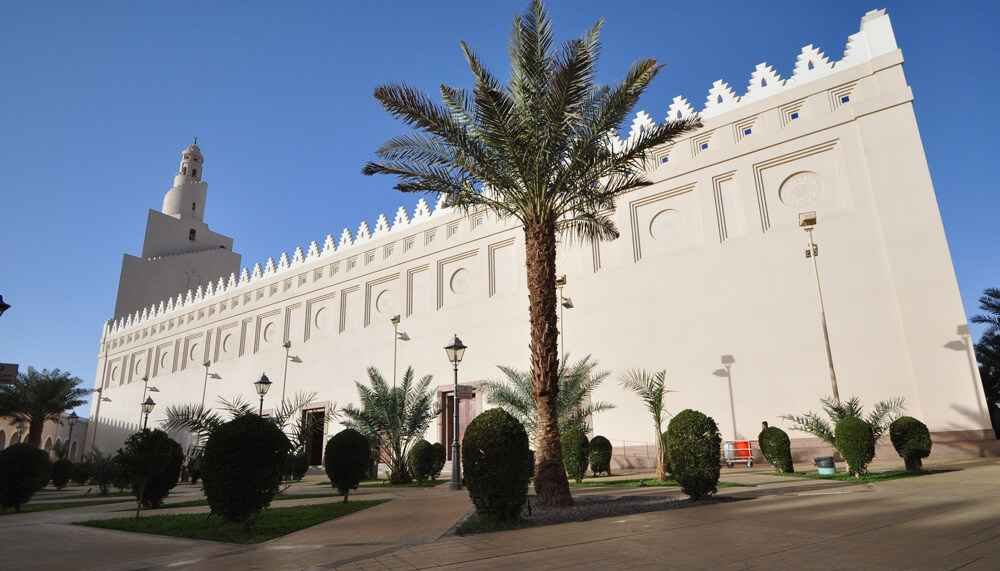
Dhul Hulayfah is the Miqat for pilgrims traveling from Madinah. It is located approximately 18 kilometers from Masjid an-Nabawi and about 410 kilometers north of Makkah.
Pilgrims who visit Madinah before performing Umrah usually enter Ihram at this location, often at the mosque known as Masjid al-Shajarah.
Travelers heading from Madinah to Makkah typically stop here before continuing their journey. Many pilgrims choose private transportation or group vehicles for this route because the distance is long and preparation for Ihram requires a short stop.
Al-Juhfah (Rabigh) – Miqat for Pilgrims from the West
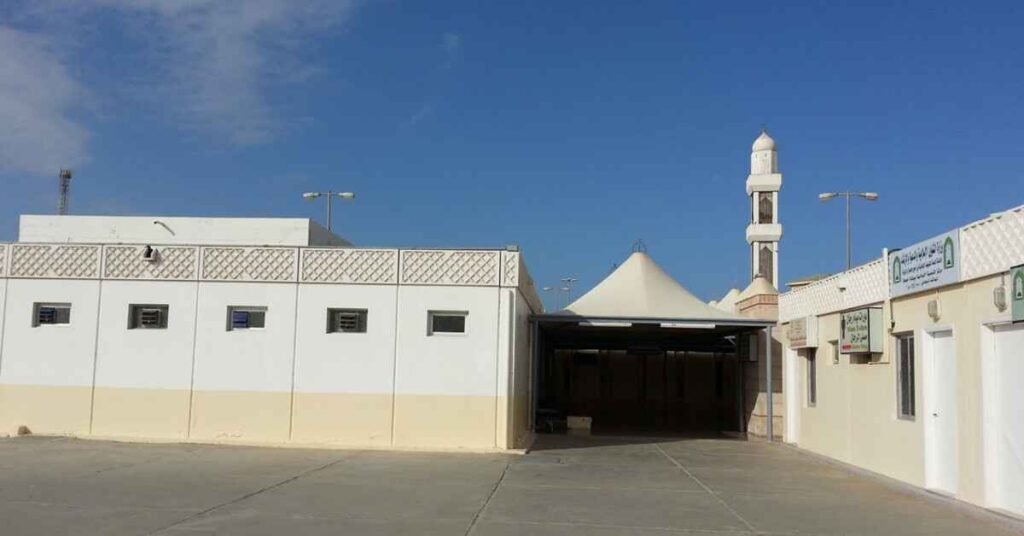
Al-Juhfah serves pilgrims traveling from regions west of Makkah, including Europe, North Africa, Turkey, and parts of the Middle East. Today, many pilgrims enter Ihram at Rabigh, a nearby town located about 182 kilometers northwest of Makkah.
Pilgrims arriving by international flights that pass this route usually prepare for Ihram before crossing the Miqat line in the air.
Qarn al-Manazil – Miqat Near Taif
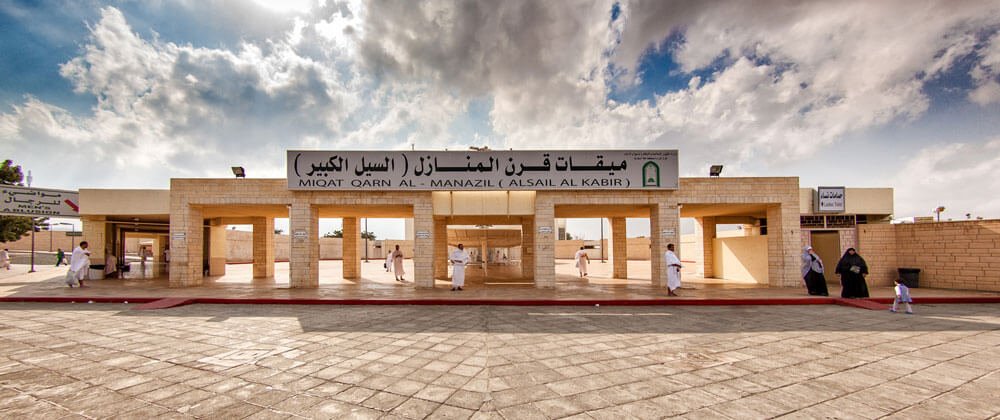
Qarn al-Manazil, also called Al-Sayl, is located approximately 80 kilometers east of Makkah near the city of Taif. It is the Miqat for people traveling from Najd and eastern regions, including countries such as Pakistan, Malaysia, and the United Arab Emirates.
Because many land routes from eastern Saudi Arabia pass near this point, pilgrims traveling by road frequently stop here to enter Ihram.
Dhat Irq – Miqat for Northern and Eastern Regions
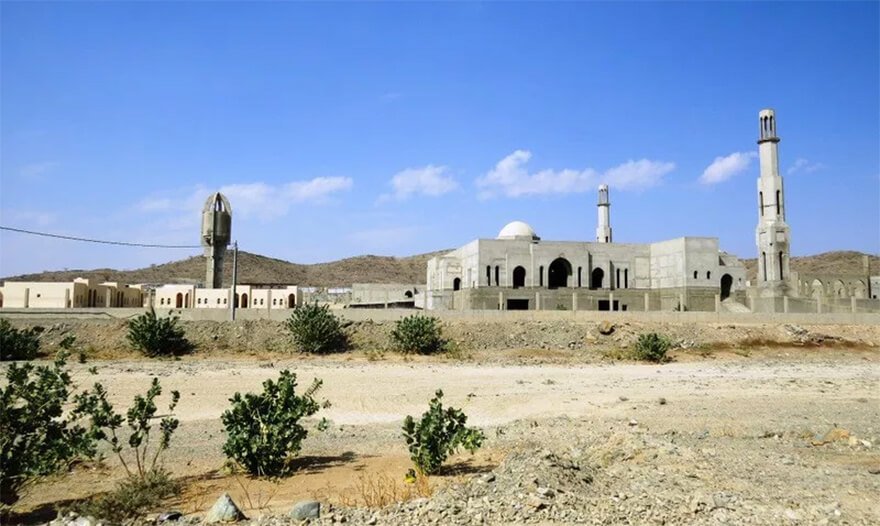
Dhat Irq lies about 90 kilometers northeast of Makkah. This Miqat was designated during the caliphate of Umar ibn Al-Khattab to facilitate pilgrims coming from Iraq and surrounding regions.
Although fewer pilgrims travel through this route today, it remains an important historical Miqat within the Islamic pilgrimage system.
Yalamlam – Miqat for Pilgrims from the South
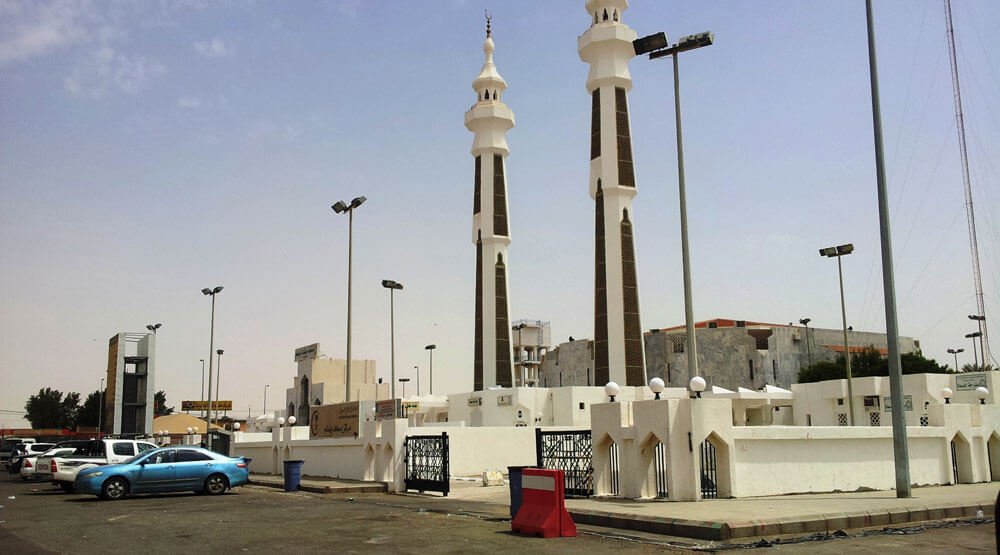
Yalamlam is located about 100 kilometers south of Makkah and serves travelers arriving from Yemen and southern regions.
Many pilgrims coming from African countries or southern sea routes historically crossed this Miqat before entering Makkah.
Miqat Rules for Different Travelers
The rules of Miqat differ depending on where a person begins their journey.
Pilgrims coming from outside the Miqat boundaries must enter Ihram before crossing their designated Miqat point.
Those who live inside the Miqat boundary but outside the Haram, such as residents of Jeddah, may enter Ihram from their city before traveling to Makkah.
Residents of Makkah who wish to perform Umrah must leave the Haram boundary and enter Ihram from a nearby location before returning to perform the rituals.
Entering Ihram While Traveling by Air
Pilgrims arriving by airplane often cross Miqat boundaries while still in flight. Because of this, airlines carrying Hajj and Umrah passengers usually announce when the aircraft is approaching the Miqat zone.
Travelers typically wear their Ihram garments before boarding the flight or at the airport, then make the intention for Ihram shortly before crossing the Miqat boundary.
Some pilgrims prefer changing into Ihram during the flight, but doing so at the airport is generally easier and more comfortable.
Understanding the Haram Boundary of Makkah
Inside the Miqat boundaries lies an even more sacred zone called the Haram of Makkah. This area surrounds Masjid al-Haram and holds special religious sanctity.
Within the Haram boundary, certain actions are prohibited that may normally be allowed elsewhere, such as hunting animals, damaging plants, or engaging in fighting.
Violating these sanctities requires compensation through charity or sacrifice.
Major Boundaries of the Haram Area
Several well-known locations mark the outer limits of the Haram area around Makkah.
One of the closest boundaries is Masjid Aisha (Masjid at-Tan’eem), located about 8 kilometers from the Kaaba. This mosque is frequently visited by pilgrims who want to perform another Umrah.
Other boundaries include Ji’ranah, Hudaybiyyah, Wadi Nakhla, Adaat Laban, and the region of Arafat.
These points define the sacred perimeter that pilgrims must respect when entering and leaving Makkah.
Performing Additional Umrah from Makkah
Pilgrims who are already in Makkah and wish to perform another Umrah must leave the Haram boundary and re-enter Ihram before starting the rituals again.
The most common location for this is Masjid Aisha, because it is the closest Miqat-type point outside the Haram boundary. Pilgrims travel there, enter Ihram, and then return to Masjid al-Haram to begin Umrah.
Transportation to Masjid Aisha is easily available from central Makkah, and many pilgrims prefer private taxis or group vehicles to make this short trip quickly.
Miqat Guidance for Pilgrims Traveling Through Jeddah
Many international pilgrims arrive in Jeddah before traveling to Makkah. Jeddah lies between the Miqat boundary and the Haram boundary.
Pilgrims who arrive with the intention of performing Umrah must ensure they have entered Ihram before crossing their designated Miqat during the flight.
However, residents of Jeddah or travelers who initially came for business or tourism may enter Ihram directly from Jeddah before traveling to Makkah.
Transportation to Miqat and Umrah Travel Routes
Because Miqat locations are spread across different routes around Makkah, transportation planning becomes important for pilgrims.
Many travelers move between Jeddah, Makkah, Madinah, and Taif during their pilgrimage journey. Reliable transport helps ensure they stop at the correct Miqat and reach the Haram comfortably.
Pilgrims often arrange Jeddah to Makkah taxi services after arriving at the airport, especially when traveling with family or luggage. Others book Makkah Ziyarat taxi tours to visit important Islamic sites or travel from Makkah to nearby Miqat locations such as Masjid Aisha for additional Umrah.
Those visiting Madinah before Umrah frequently require Madinah to Makkah transport that stops at Dhul Hulayfah, the Miqat for the city. For groups, vehicles like Toyota Hiace, Coaster buses, and larger buses are commonly used to accommodate pilgrims comfortably during intercity journeys.
Such organized travel arrangements help pilgrims focus on the spiritual purpose of their journey while ensuring they observe Miqat requirements correctly.
Practical Tips for Entering Ihram
Preparing for Ihram before reaching Miqat can make the pilgrimage smoother. Pilgrims should carry their Ihram garments easily accessible during travel and be aware of the Miqat boundary they will cross.
If traveling by air, wearing Ihram at the airport before departure is often the easiest option. When traveling by road, pilgrims should confirm that their driver will stop at the designated Miqat point.
Planning ahead ensures that the sacred rituals of Hajj or Umrah begin properly and without unnecessary complications.
Conclusion
Miqat represents one of the most important spiritual and logistical preparations for pilgrims performing Hajj or Umrah. These designated boundaries remind Muslims to enter the sacred journey with humility, devotion, and respect for the sanctity of Makkah.
Understanding the five Miqat locations, the rules of Ihram, and the relationship between Miqat and the Haram boundary helps pilgrims fulfill their religious obligations correctly.
With proper preparation and organized travel between cities like Jeddah, Makkah, and Madinah, pilgrims can focus on the deeper spiritual experience of their pilgrimage while ensuring every step of their journey follows the established guidelines.
FAQs
What is the Miqat in Hajj and Umrah?
Miqat is the designated boundary where pilgrims intending to perform Hajj or Umrah must enter the state of Ihram before proceeding toward Makkah.
How many Miqat locations are there?
There are five main Miqat points established for pilgrims approaching Makkah from different regions of the world.
Can pilgrims enter Ihram at Jeddah?
Residents of Jeddah or travelers who did not originally intend to perform Umrah may enter Ihram in Jeddah. However, pilgrims arriving specifically for Umrah must enter Ihram before crossing their designated Miqat.
Where do people in Makkah go for another Umrah?
Residents or pilgrims in Makkah usually travel to Masjid Aisha (Tan’eem), which lies outside the Haram boundary, to enter Ihram for another Umrah.
What happens if someone crosses Miqat without Ihram?
If a pilgrim crosses the Miqat boundary without entering Ihram while intending to perform Umrah or Hajj, they must offer an expiation sacrifice (Damm).


