If you’re looking affordable private services in Saudi Arabia, contact Now for Umrah Taxi service.
Talbiyah Umrah Guide: Meaning, Arabic Text, When to Recite & Common Mistakes


January 31, 2026
If you’re looking affordable private services in Saudi Arabia, contact Now for Umrah Taxi service.
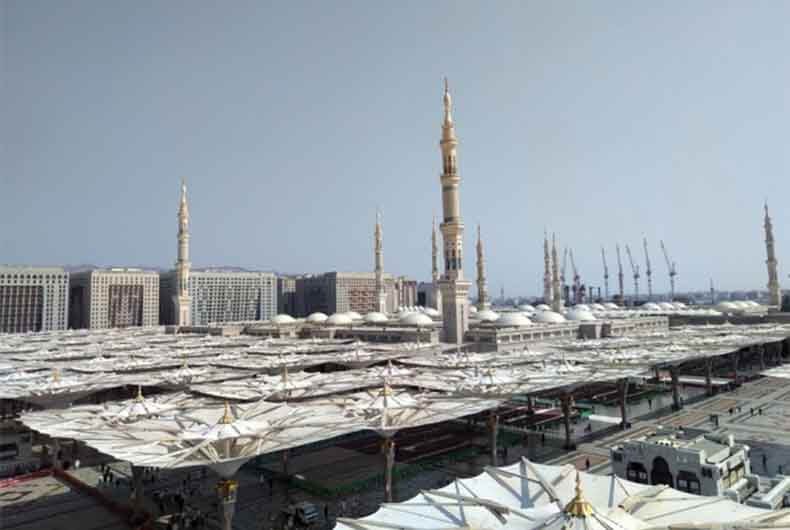
Masjid al-Nabawi, widely known as Masjid e Nabvi, stands at the spiritual heart of Madinah al-Munawwarah. It is the second holiest mosque in Islam, revered by Muslims across the world for its unmatched historical, spiritual, and emotional significance. Built by Prophet Muhammad ﷺ himself after the Hijrah in 622 CE, the mosque remains a living symbol of Islamic faith, unity, and mercy.
Unlike many sacred landmarks, Masjid Nabawi is not only a historical monument-it is an active center of worship, learning, and reflection that welcomes millions of visitors every year.
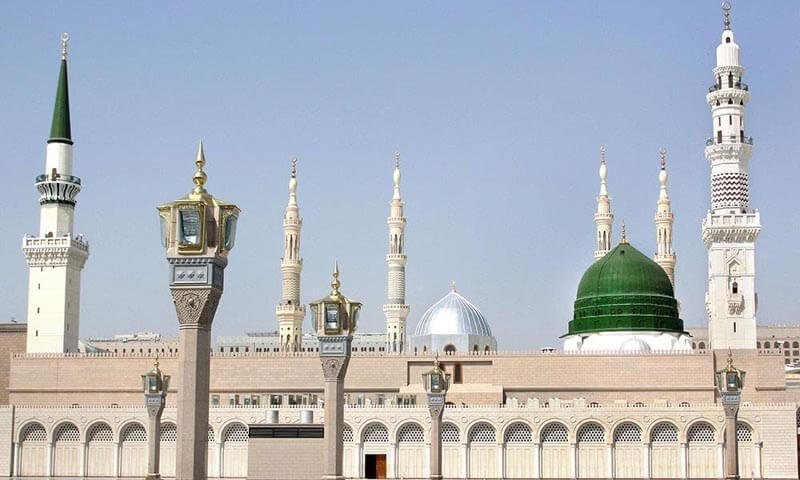
Masjid Nabawi holds a unique status in Islam. The Prophet ﷺ stated that one prayer offered in this mosque is rewarded more than a thousand prayers offered elsewhere, except in Masjid al-Haram. This immense virtue makes Madinah a destination of longing for every believer.
The mosque also houses the final resting place of Prophet Muhammad ﷺ, alongside his closest companions Abu Bakr as-Siddiq رضي الله عنه and Umar ibn al-Khattab رضي الله عنه, strengthening the emotional and spiritual connection visitors feel upon arrival.
After migrating from Makkah to Madinah, the Prophet ﷺ personally selected the land where Masjid Nabawi would be built. The original structure was simple—constructed from palm trunks, mud bricks, and open courtyards—but its purpose was profound.
From the very beginning, Masjid Nabawi functioned as:
This multi-dimensional role shaped Madinah into the first Islamic society, with Masjid Nabawi at its core.
Over fourteen centuries, Masjid Nabawi has undergone careful expansions while preserving its sacred essence.
Early expansions took place during the caliphates of Umar ibn al-Khattab and Uthman ibn Affan, responding to the growing Muslim community. Later, Umayyad and Abbasid rulers introduced architectural refinements, minarets, and decorative elements.
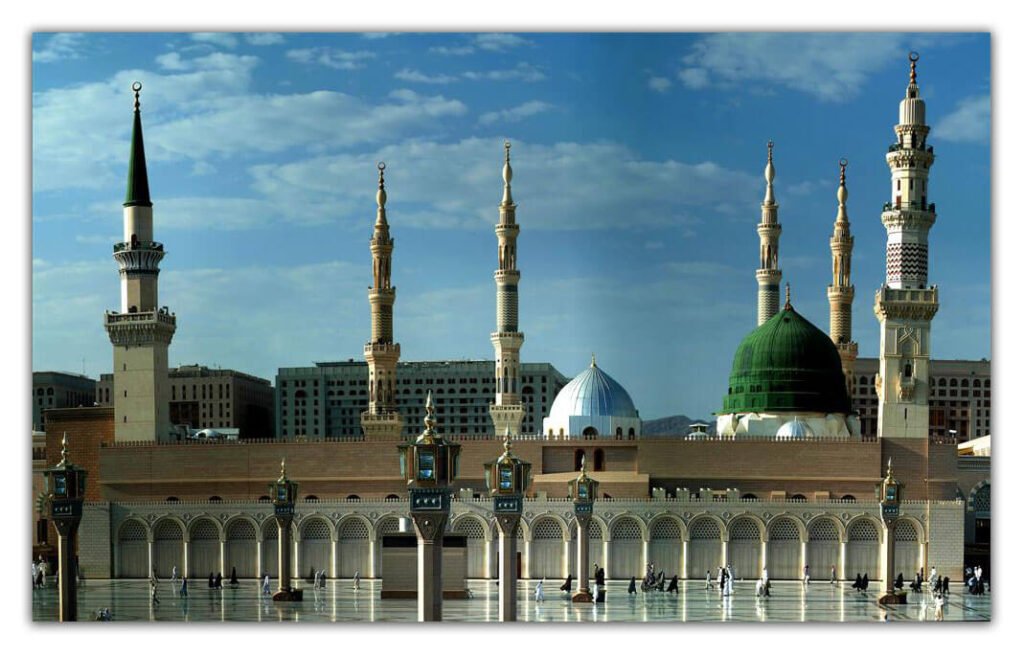
The Ottoman era added the iconic Green Dome, intricate calligraphy, and marble interiors. In modern history, the Saudi expansions transformed Masjid Nabawi into one of the largest mosques in the world, capable of accommodating over one million worshippers, while preserving all historically sacred areas.
Located between the Prophet’s ﷺ house and his pulpit, the Rawdah is described as “a garden from the gardens of Paradise.” It is easily identified by its green carpets, distinguishing it from the rest of the mosque.
Access to the Rawdah is regulated via the Nusuk app, ensuring organized and respectful visitation.
The Green Dome marks the resting place of the Prophet ﷺ. Visitors offer salams with humility and reverence, following a long-established Islamic tradition.
The minbar (pulpit) from which the Prophet ﷺ delivered sermons remains preserved, while the mihrab marks the location where he led prayers, serving as a powerful historical anchor within the mosque.
Several pillars within Masjid Nabawi are associated with key events from the Prophet’s ﷺ life, silently narrating centuries of Islamic history.
Recommended Our Private Taxi
Masjid Nabawi today reflects a remarkable harmony between sacred tradition and modern engineering. Expansive courtyards are shaded by giant retractable umbrellas, while multiple minarets rise elegantly above the skyline of Madinah.
Advanced climate control, marble flooring, and seamless crowd management systems ensure comfort for worshippers throughout the year, even during peak seasons like Ramadan and Hajj.
All Rawdah visits must be scheduled through the official Nusuk platform, requiring valid identification and GPS activation.
Visitors must observe modest dress and respectful behavior. Silence, cleanliness, and patience are essential, especially in sacred areas.
Early mornings and late evenings generally offer a calmer atmosphere, while Fridays and post-prayer periods are the most crowded.
Masjid Nabawi is fully accessible, with dedicated facilities for elderly and disabled visitors, clean ablution areas, Zamzam water stations, and extensive support services.
Just outside Masjid Nabawi lies Jannat al-Baqi, the resting place of many members of the Prophet’s ﷺ family and companions. Visiting these sites forms an essential part of Madinah Ziyarat, often combined with nearby historic mosques.
For visitors performing Umrah or Ziyarat, arranging Madinah Ziyarat taxi services allows structured and respectful visits without logistical stress.
Masjid Nabawi is centrally located and accessible from all areas of Madinah. Pilgrims arriving from Makkah or Jeddah often plan their journey as part of a broader Umrah itinerary.
Reliable private taxi services are especially helpful for:
Such arrangements support smooth travel without disrupting worship schedules.
Before entering Masjid Nabawi, visitors are encouraged to renew their intention, perform purification, and approach the mosque with humility and gratitude. This preparation transforms the visit from a physical journey into a deeply spiritual experience.
Masjid Nabawi is not merely a mosque—it is the living heart of Madinah, carrying the legacy of the Prophet ﷺ across centuries. Every pillar, courtyard, and prayer space reflects devotion, sacrifice, and divine mercy.
Whether you visit for Umrah, Ziyarat, or personal reflection, time spent in Masjid e Nabvi leaves a lasting imprint on the soul. With thoughtful planning, respectful conduct, and reliable transportation support, your visit becomes a meaningful chapter in a lifelong spiritual journey.